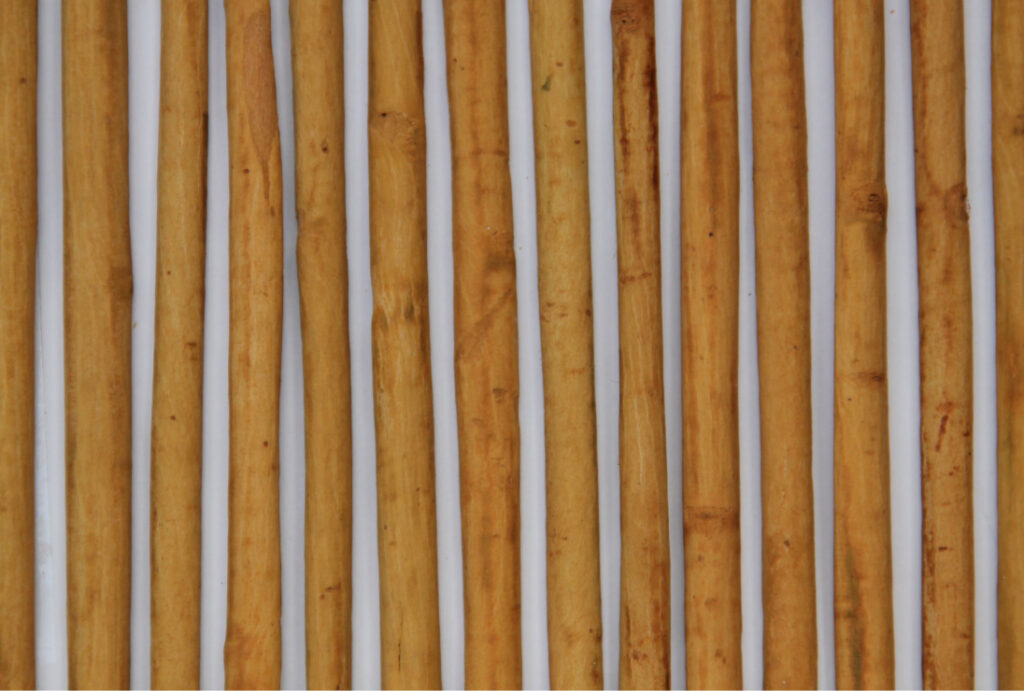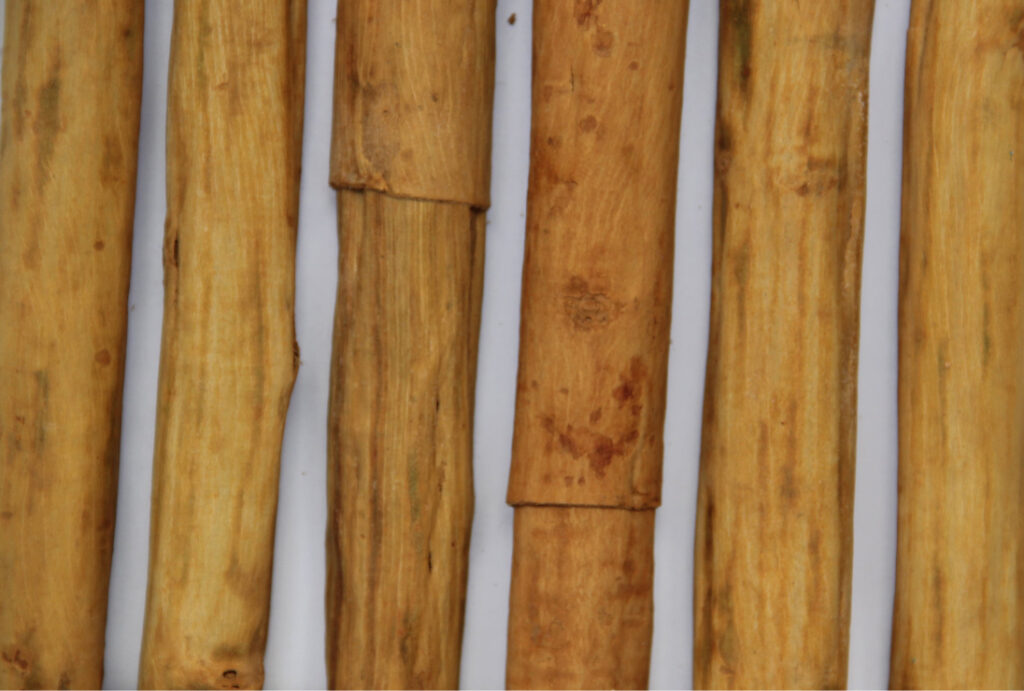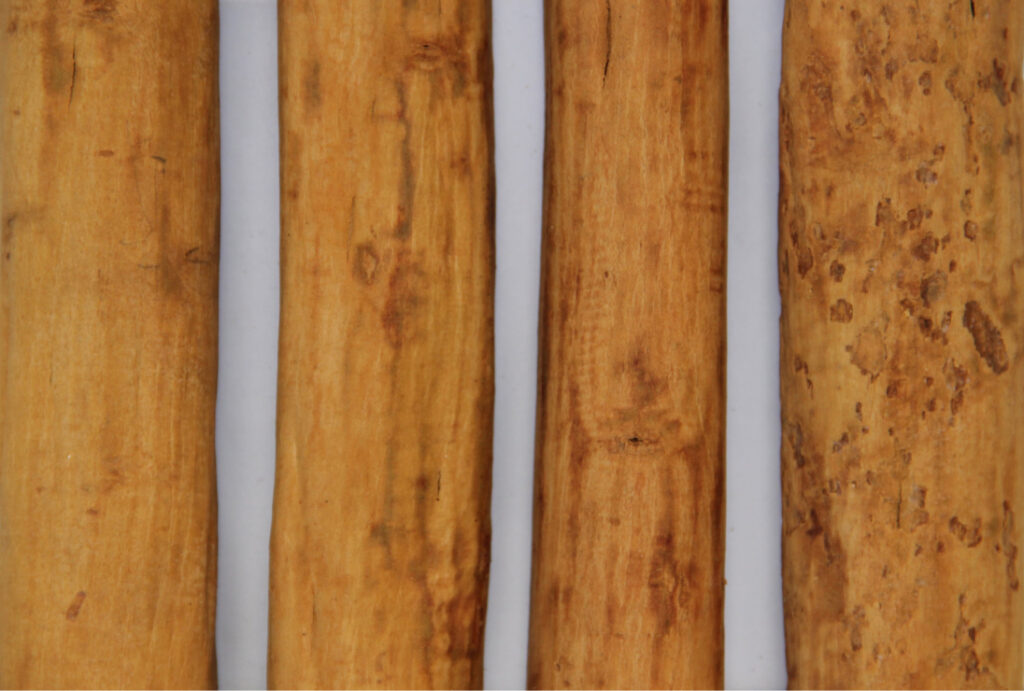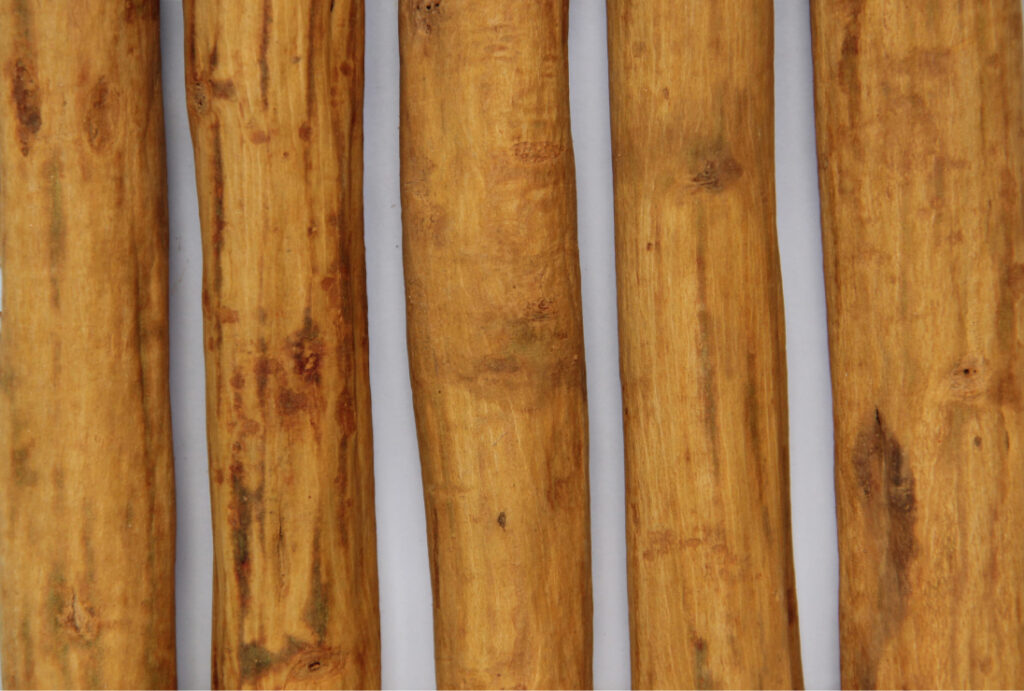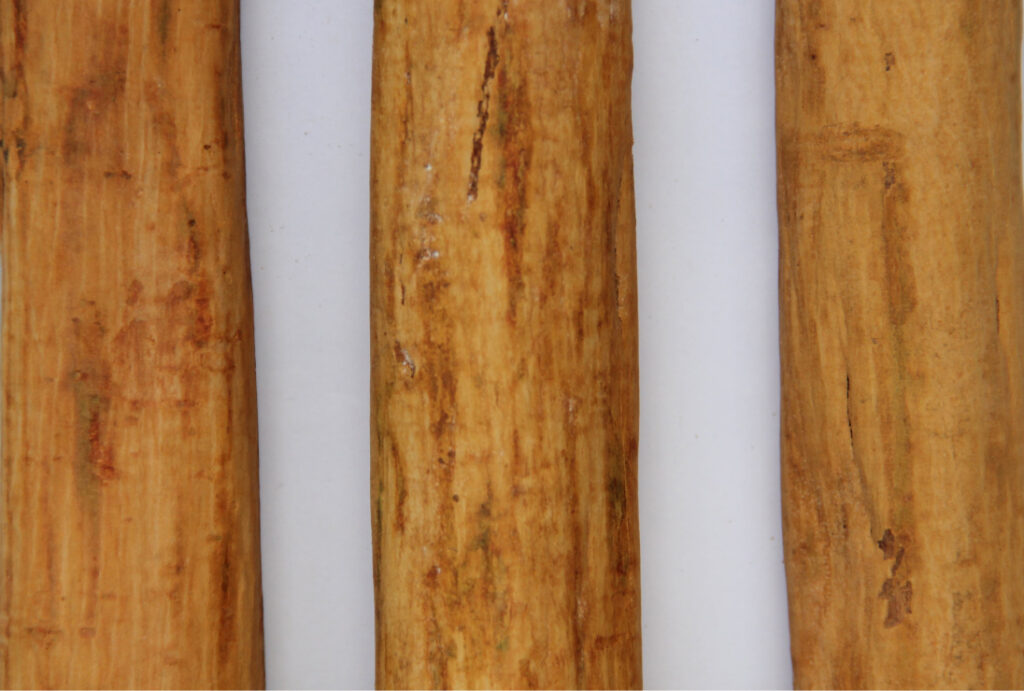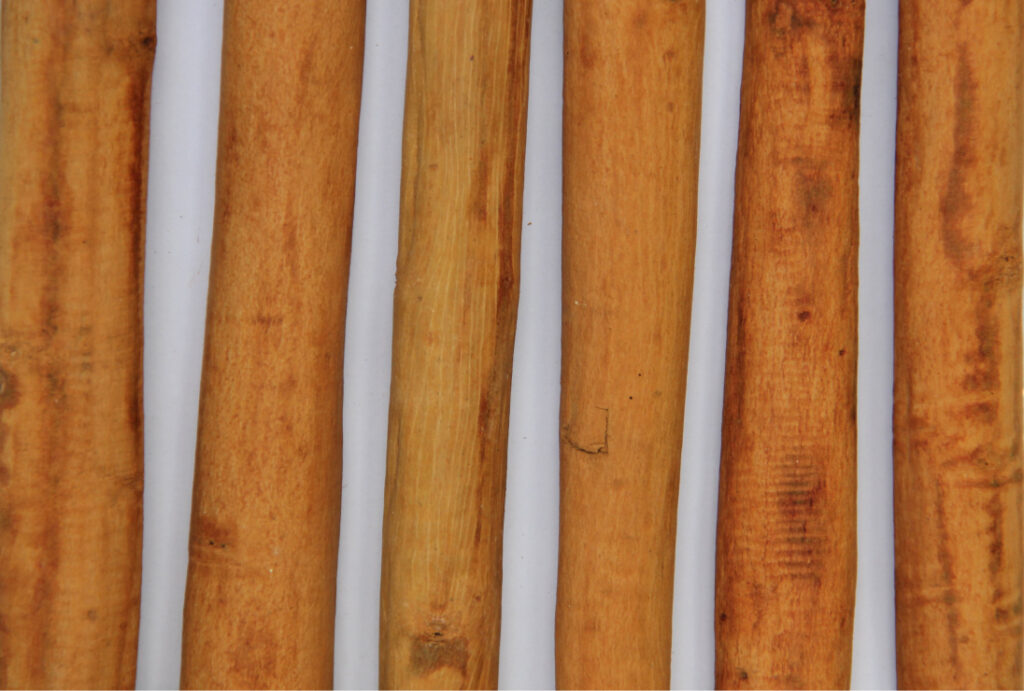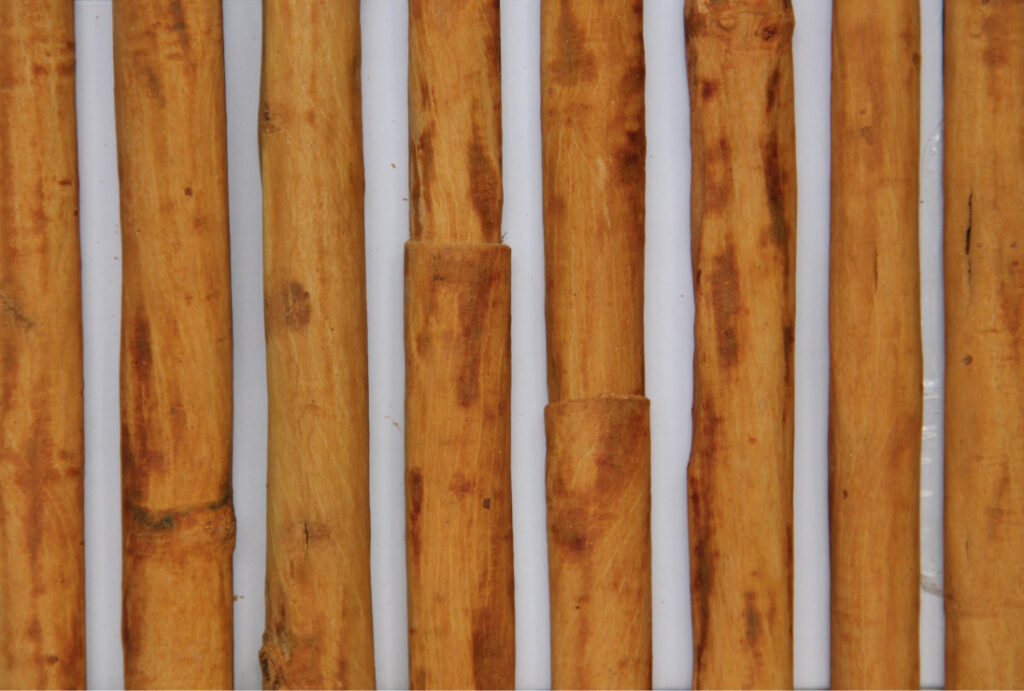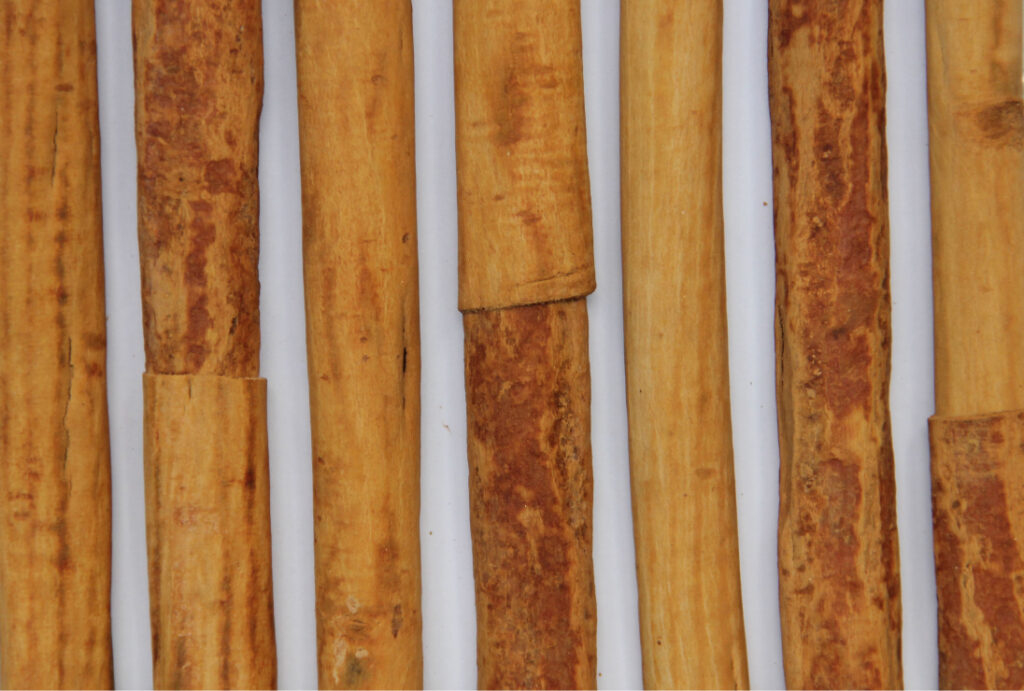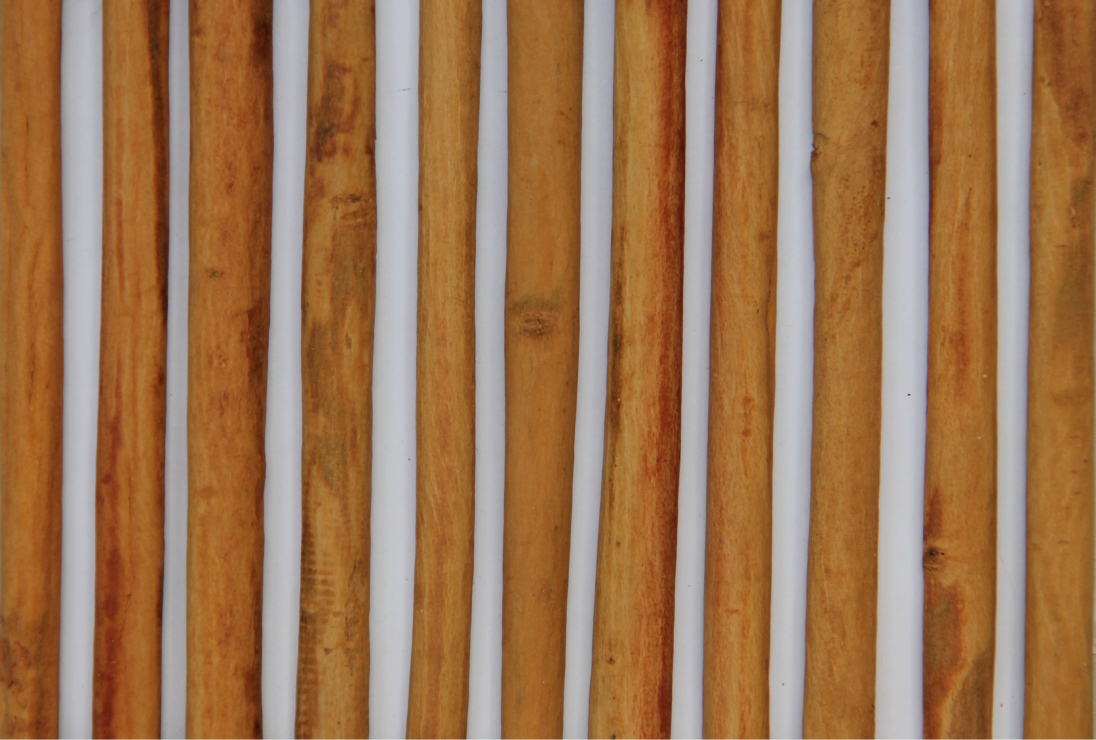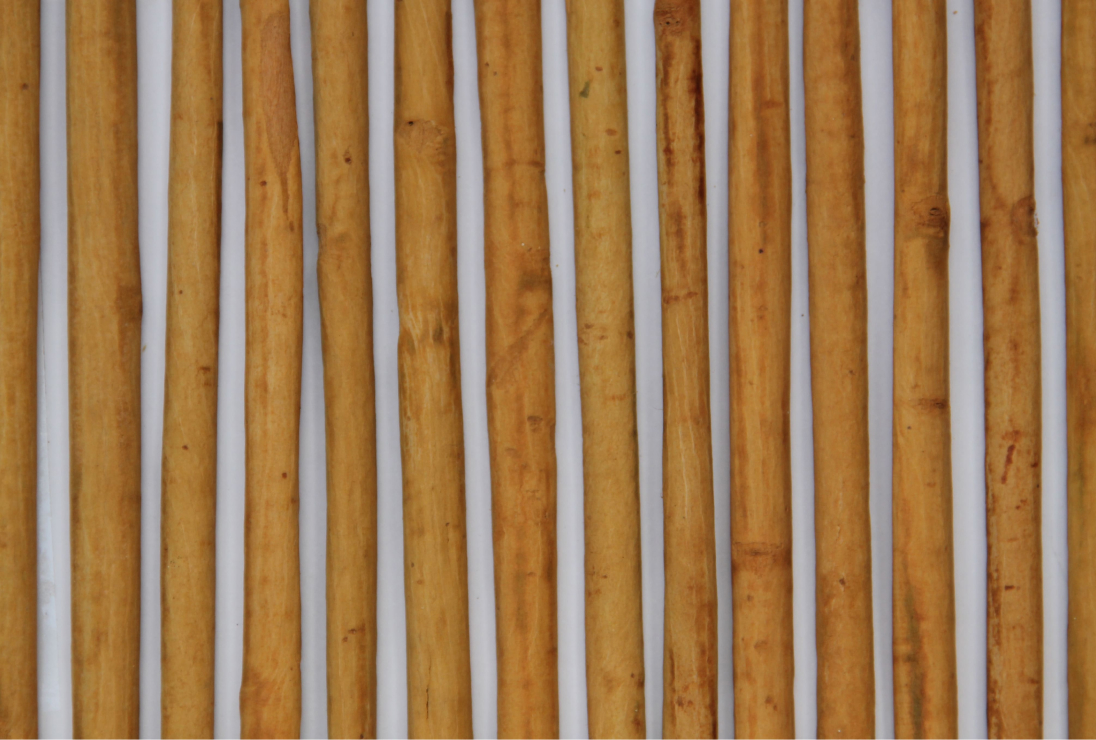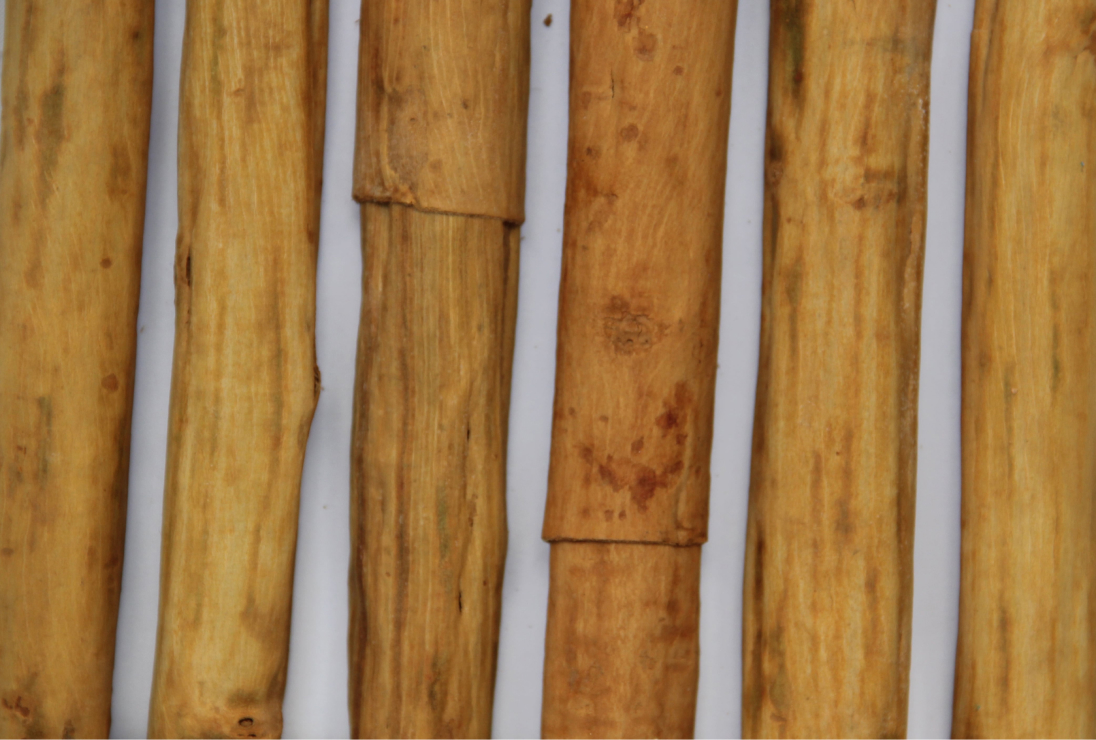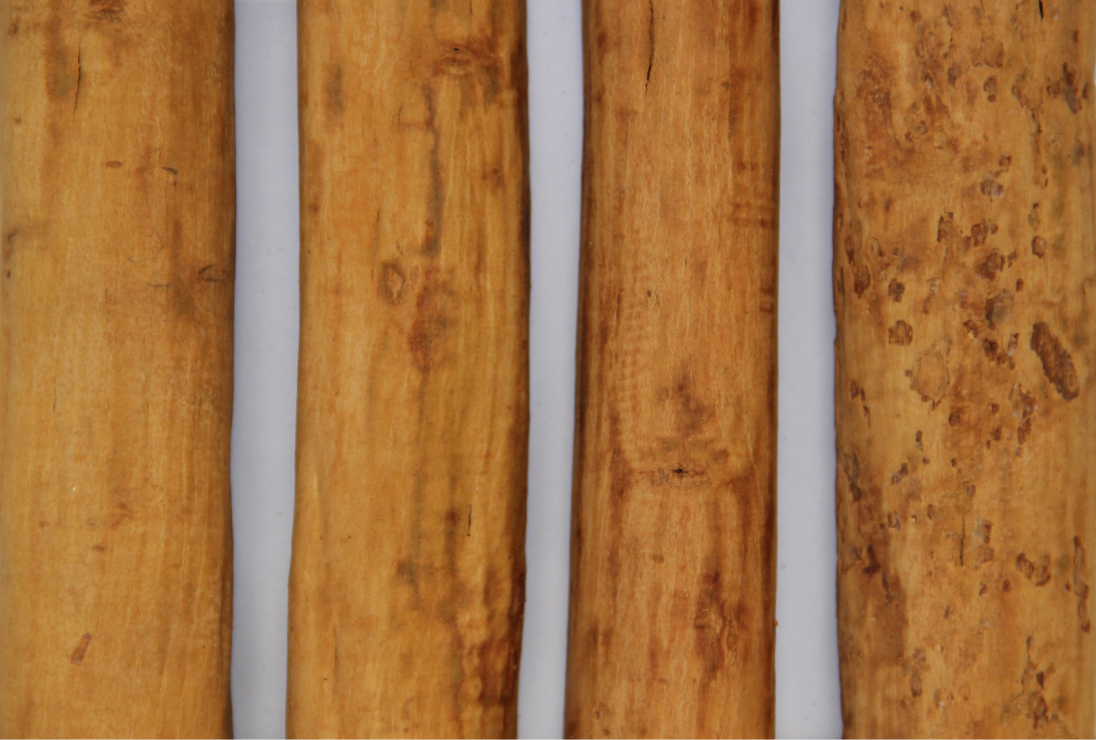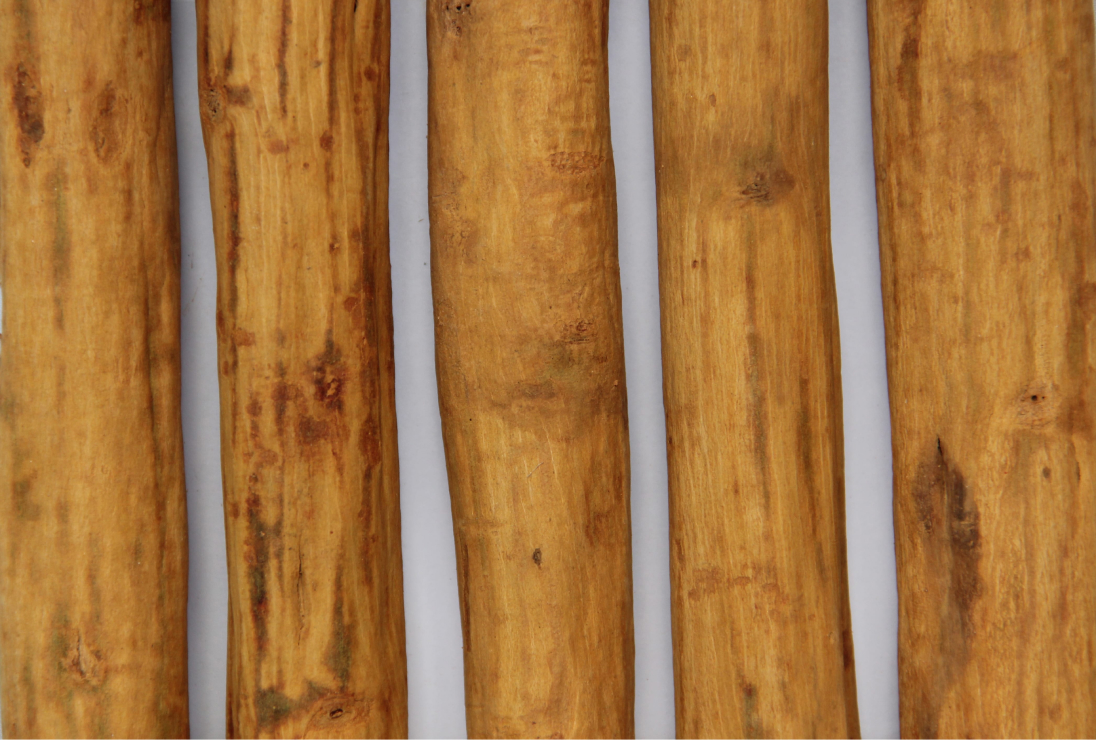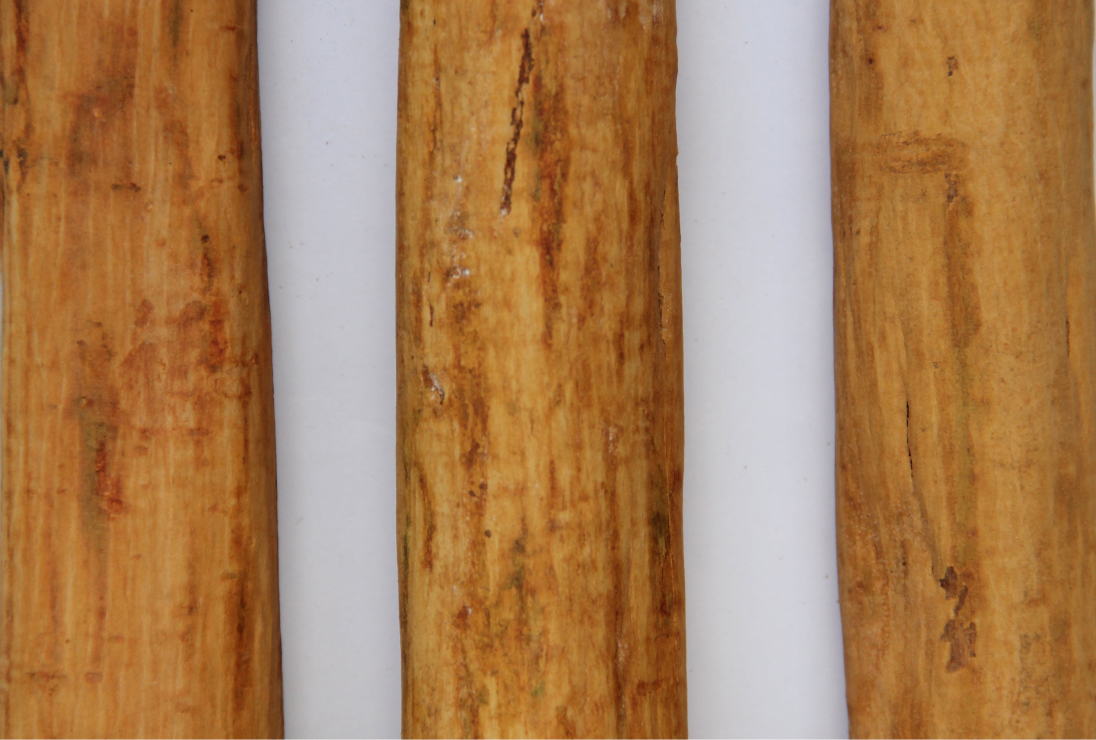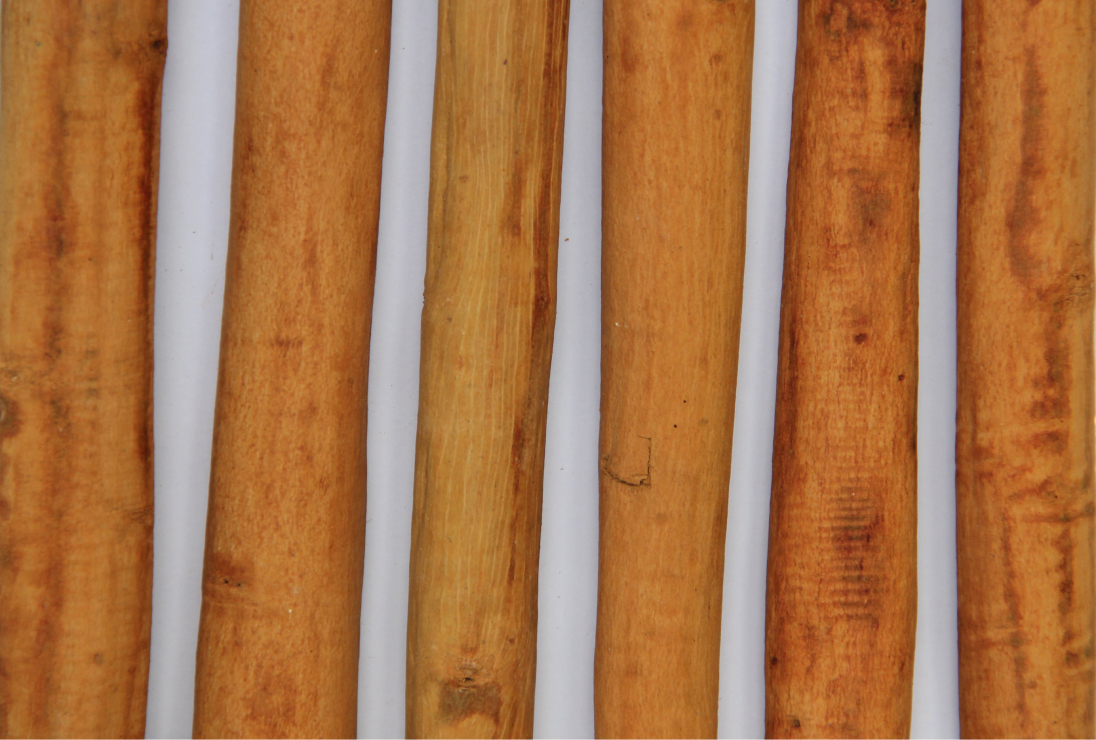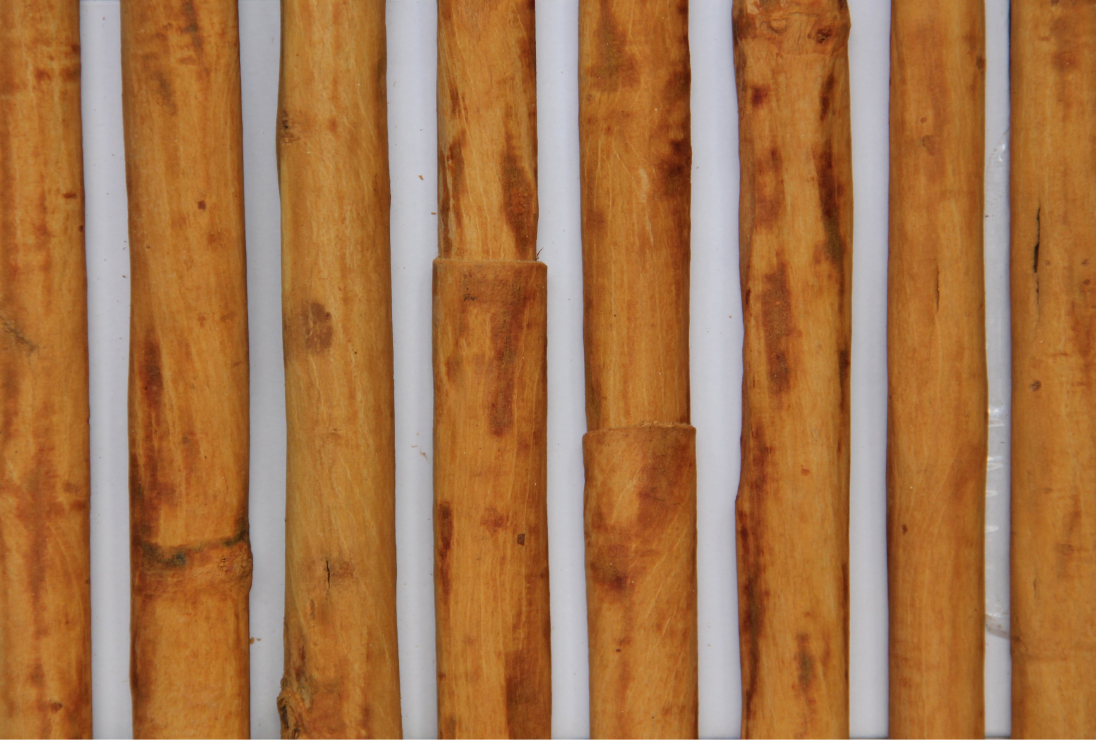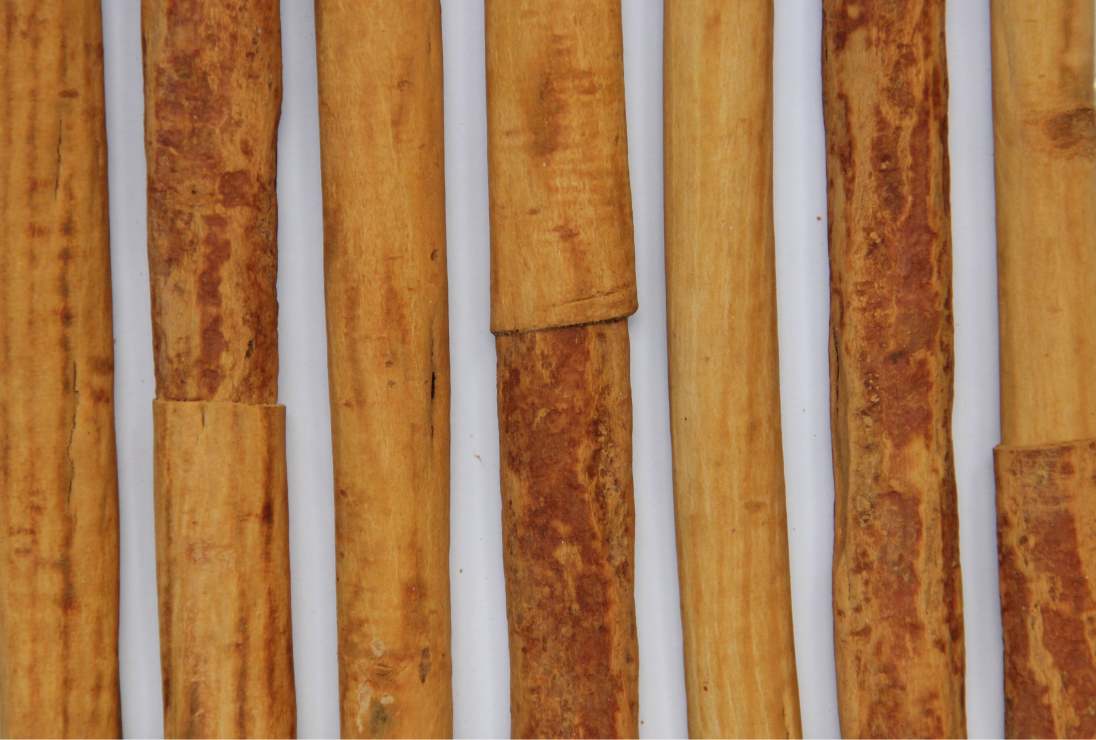
Ceylon Cinnamon Production Cycle

🌱 1. Land Preparation & Planting

  • Stage: Fields are cleared and prepared with proper drainage. Cinnamon is typically propagated using seeds or stem cuttings.

  • Time: Best during the rainy season.

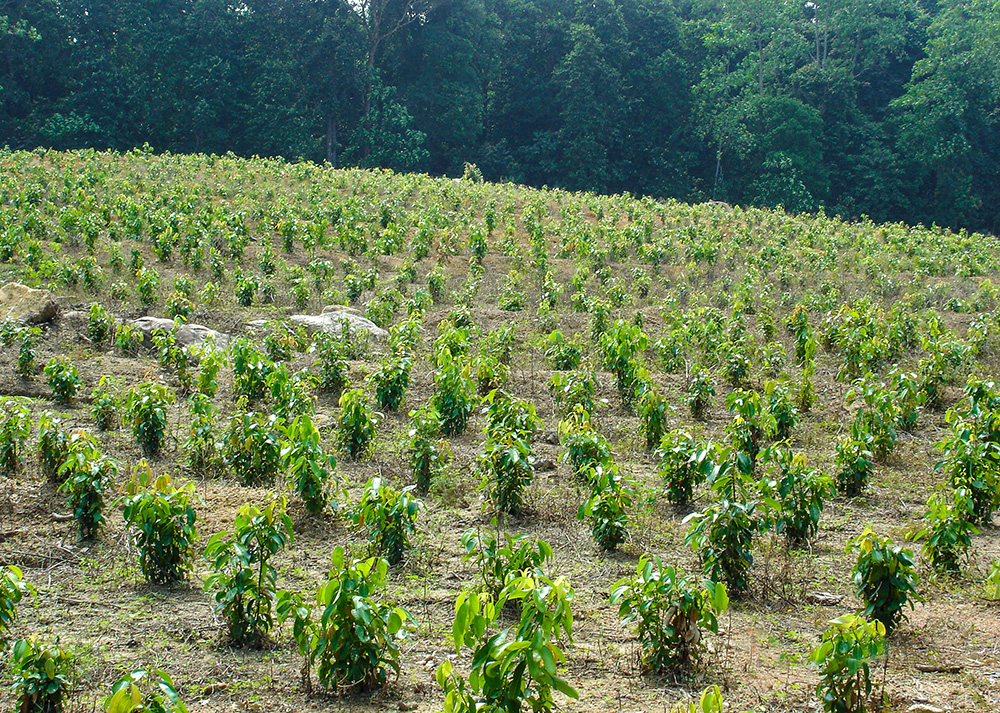
  • Image idea: A field with young cinnamon saplings being planted by farmers.


🌿 2. Cinnamon Plant Growth

  • Stage: Plants are grown for 2–3 years before the first harvest. Regular weeding and watering are done.

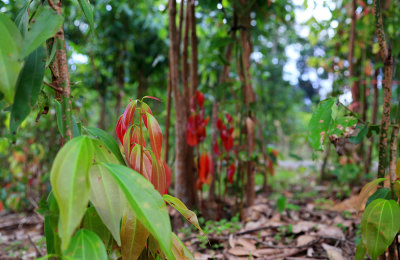
  • Image idea: Mature cinnamon bushes with lush green leaves in a plantation.


✂️ 3. Harvesting

  • Stage: Harvesting begins when the bark is mature (2–3 years old shoots). Shoots are cut close to the ground.

  • Time: Typically done twice a year.

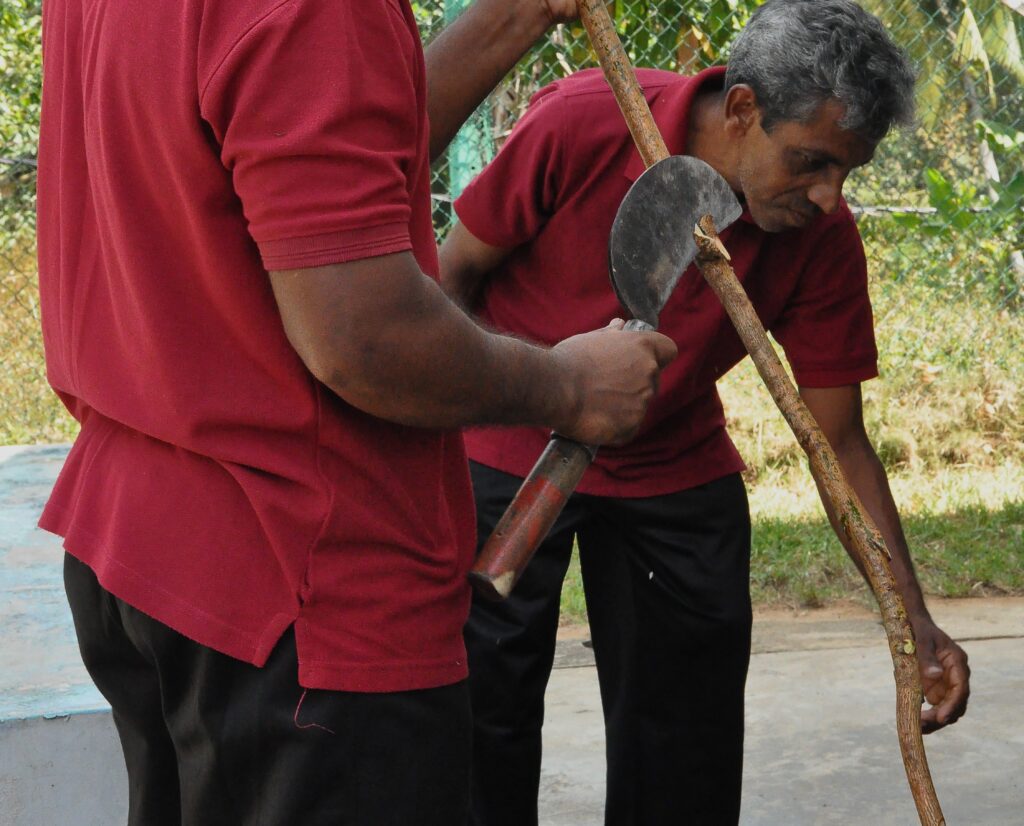
  • Image idea: A farmer cutting cinnamon stems using a sharp knife.


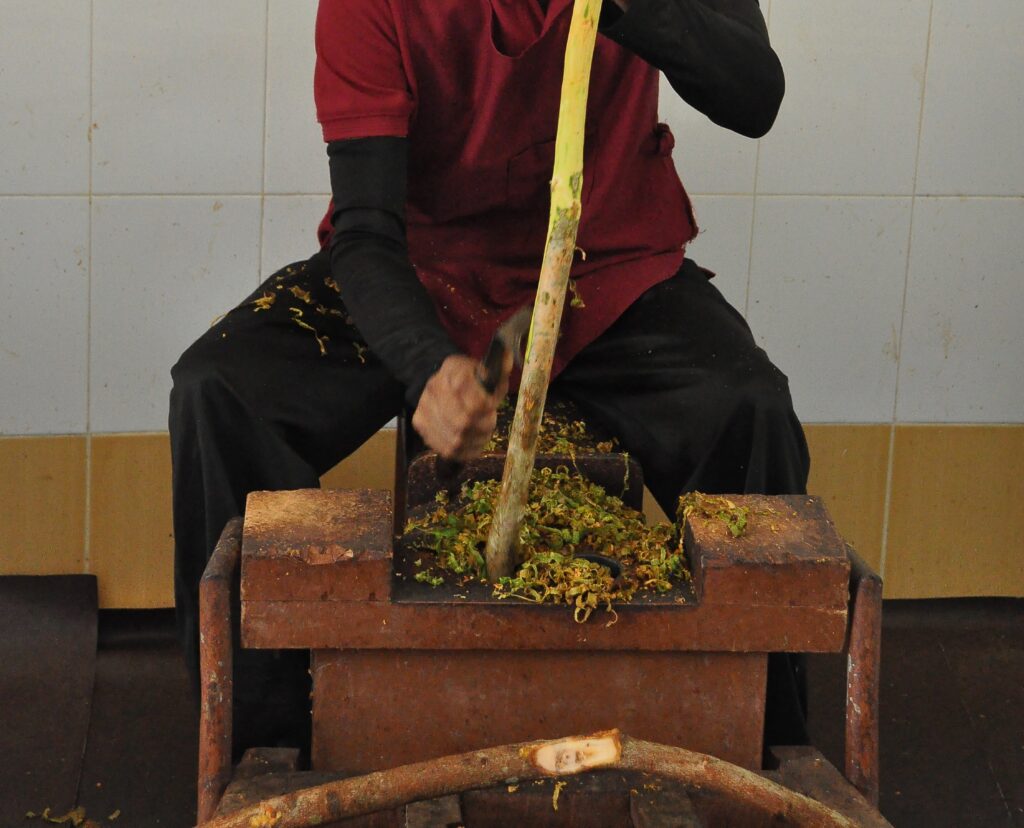
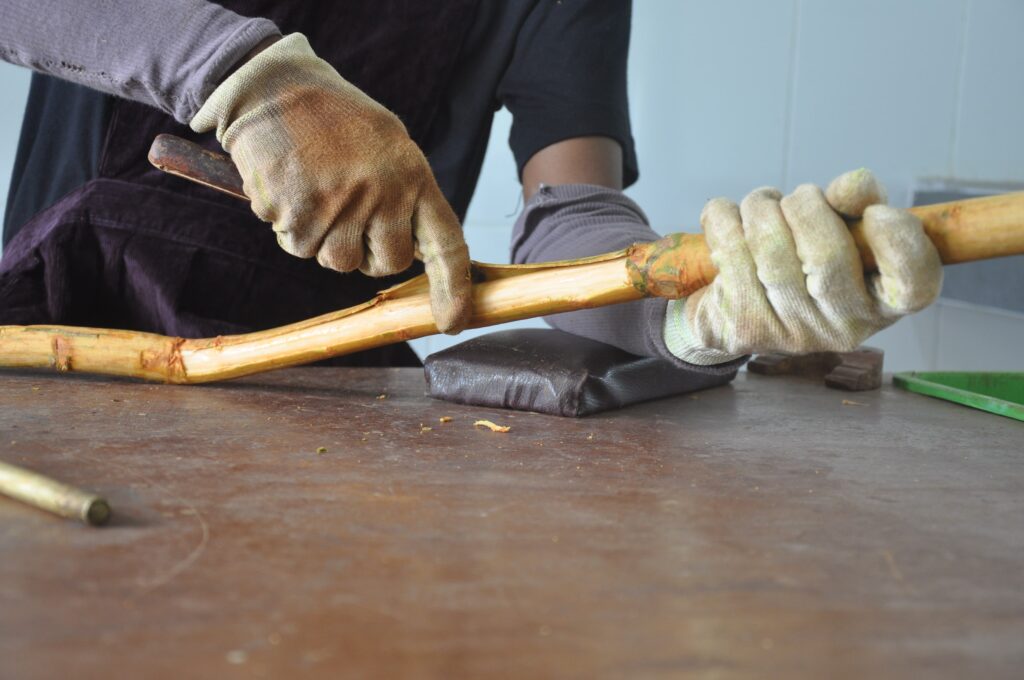
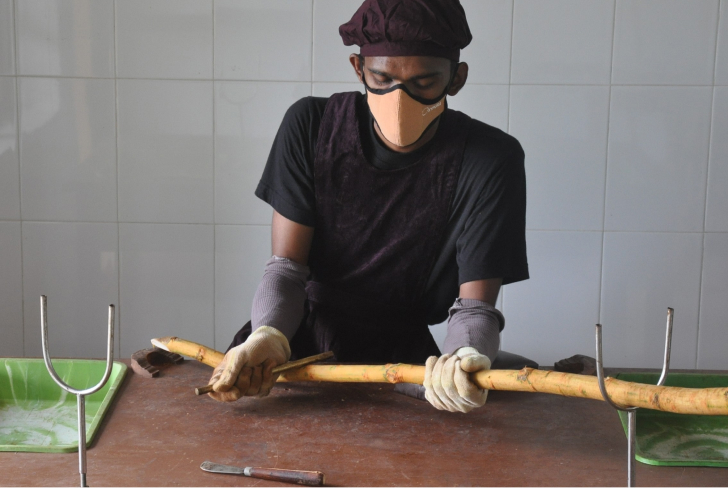
🔪 4. Peeling (Bark Extraction)

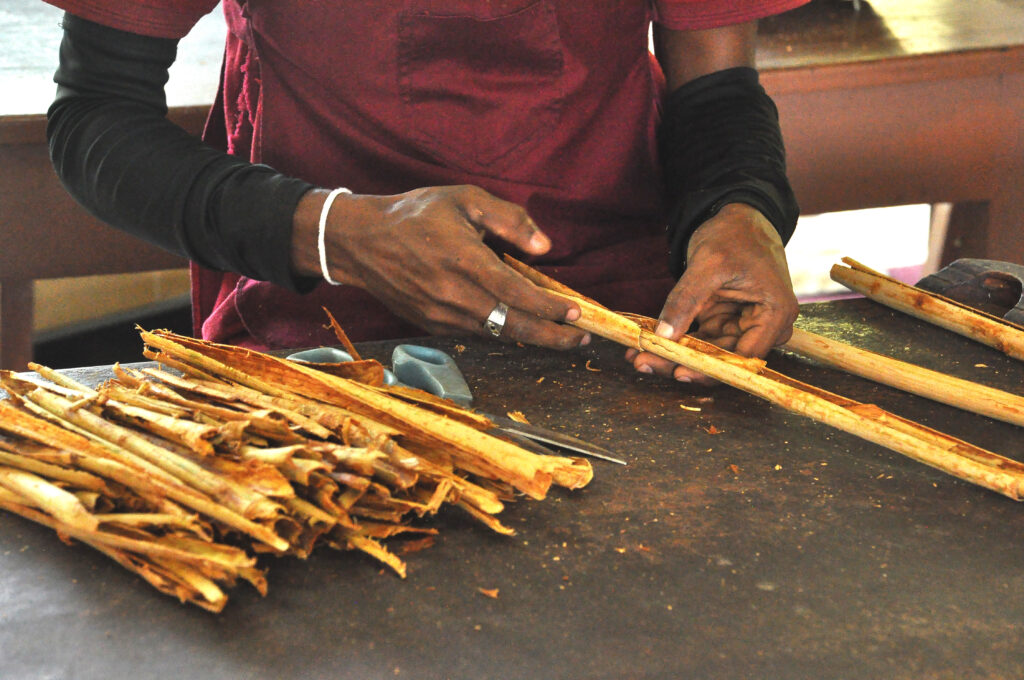
  • Stage: The outer bark is scraped off, and the inner bark is carefully peeled in long strips using special tools.

  • Image idea: A close-up of hands peeling cinnamon bark from a stem on a wooden table.


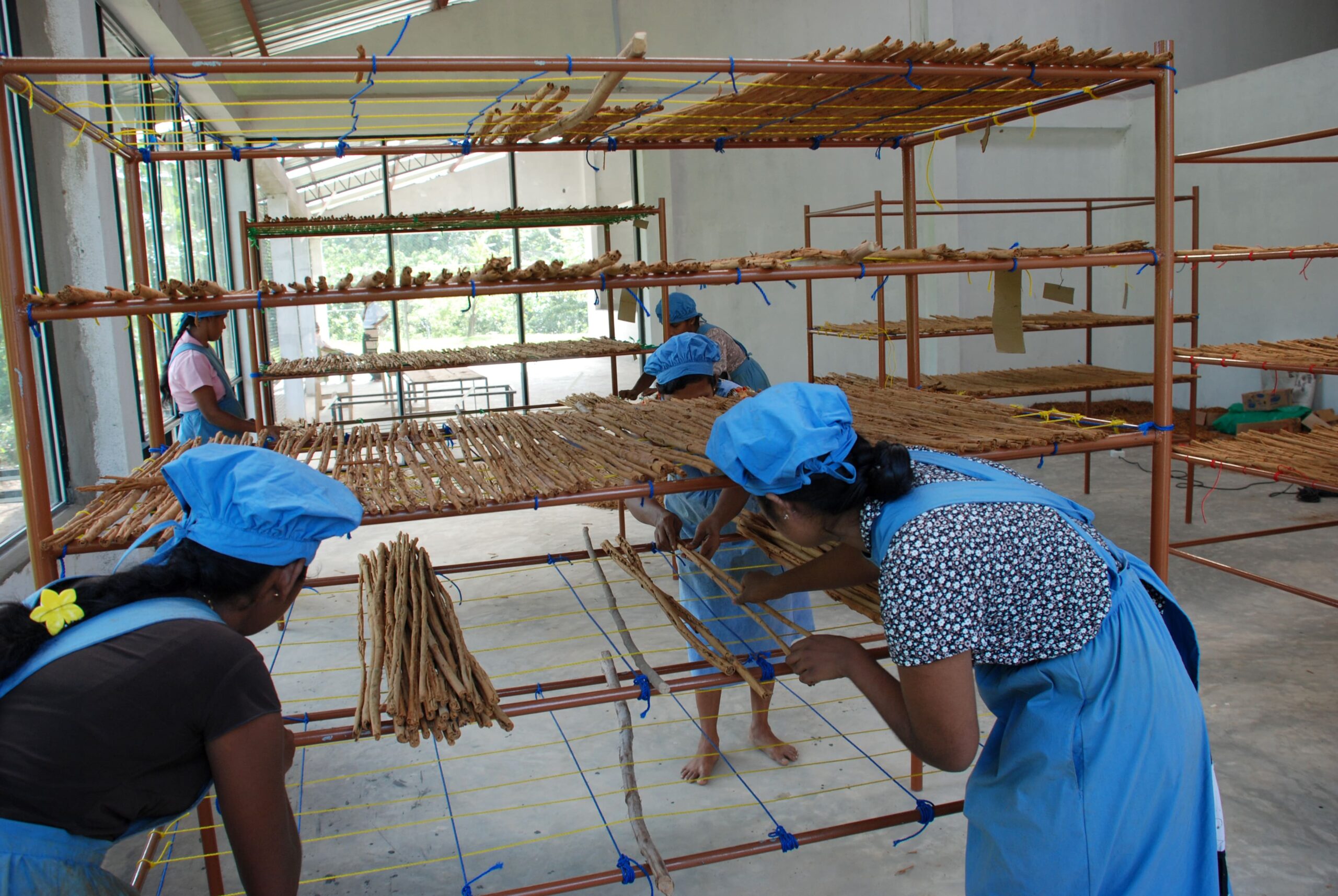
🌞 5. Drying

  • Stage: The peeled cinnamon quills (bark) are left to dry in the shade. They naturally curl into quills.

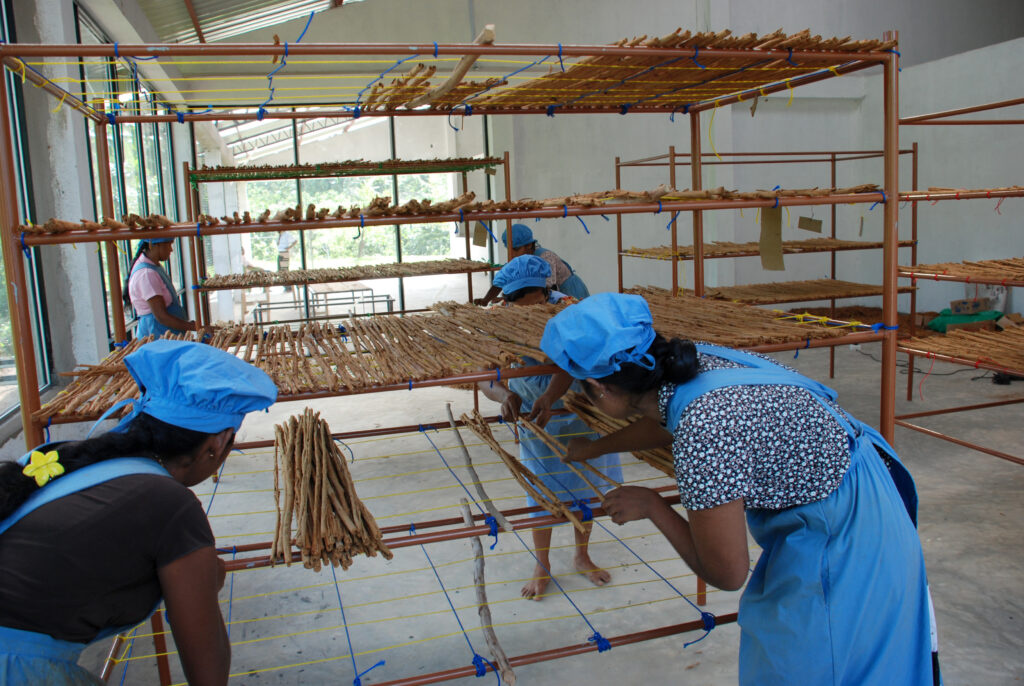
  • Image idea: Rows of cinnamon quills drying on mats or racks in a shaded area.


✂️ 6. Grading & Cutting

  • Stage: Dried quills are sorted by quality (color, thickness, aroma), cut to size, and bundled.

  • Image idea: Workers grading and bundling cinnamon quills into neat stacks.


📦 7. Packing

  • Stage: Cinnamon is packed in moisture-proof materials for export or local sale. Powdered cinnamon is also sealed in jars or bags.

  • Image idea: Packaged cinnamon in labeled boxes or jars, ready for shipping.


How does Ceylon Cinnamon cultivate?
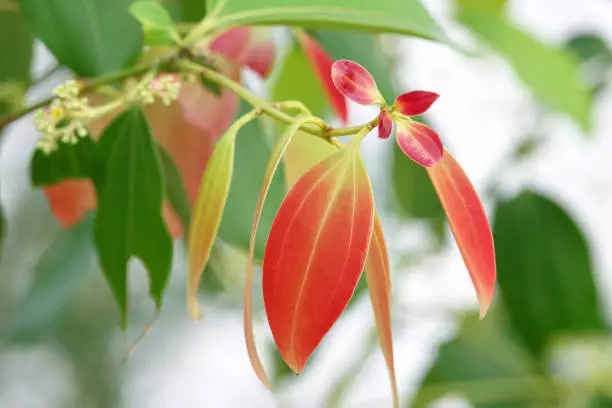
How does Ceylon Cinnamon cultivate?

Cinnamon cultivation is mainly in the hands of smallholders, providing livelihoods for approximately 350,000 families in Sri Lanka. Cinnamomum zeylanicum's commercial output begins 3–4 years after field planting, and the plants have a 35–40-year economic lifetime. Proper plant care and training are critical to establishing a long-lasting and spreading plant foundation that generates continuous, robust, and straight branches.   


Propagation of Cinnamon       

Cinnamon is propagated by both seeds and cuttings.       

By seeds       

Cinnamon propagation by seeds is the simplest and most extensively used way of producing planting material.

Let's have look at the cinnamon seeds. 

Green immature and purple-black ripen Cinnamon fruits 20160523-113724cinnamomum-kotoense-ta.jpg
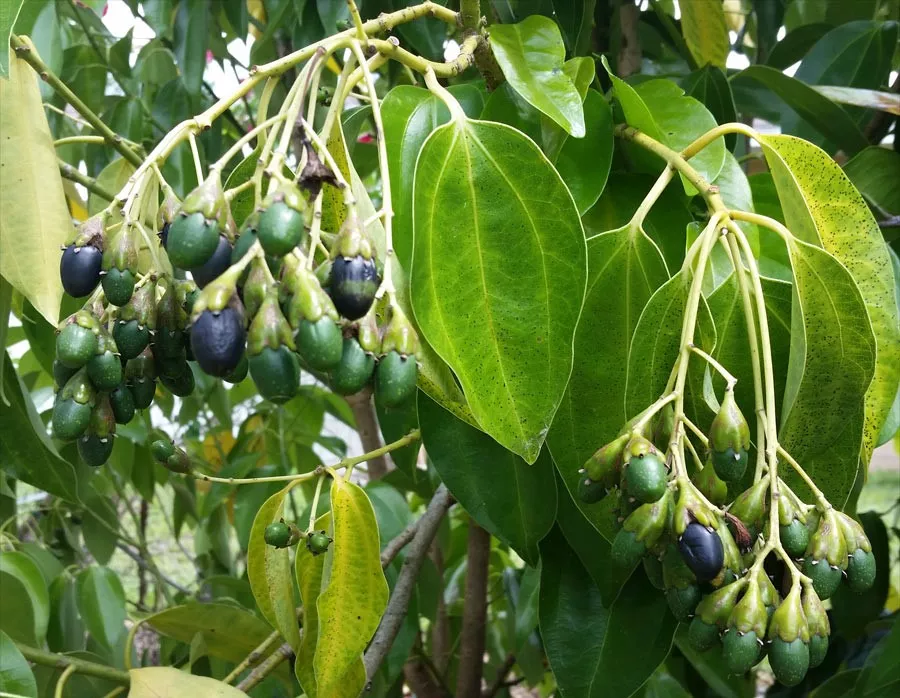
Cinnamon fruits are botanically called ‘drupes’ and cinnamon seeds are located inside the drupes. When the green immature drupes are ripen, the pericarp becomes blackish purple.   

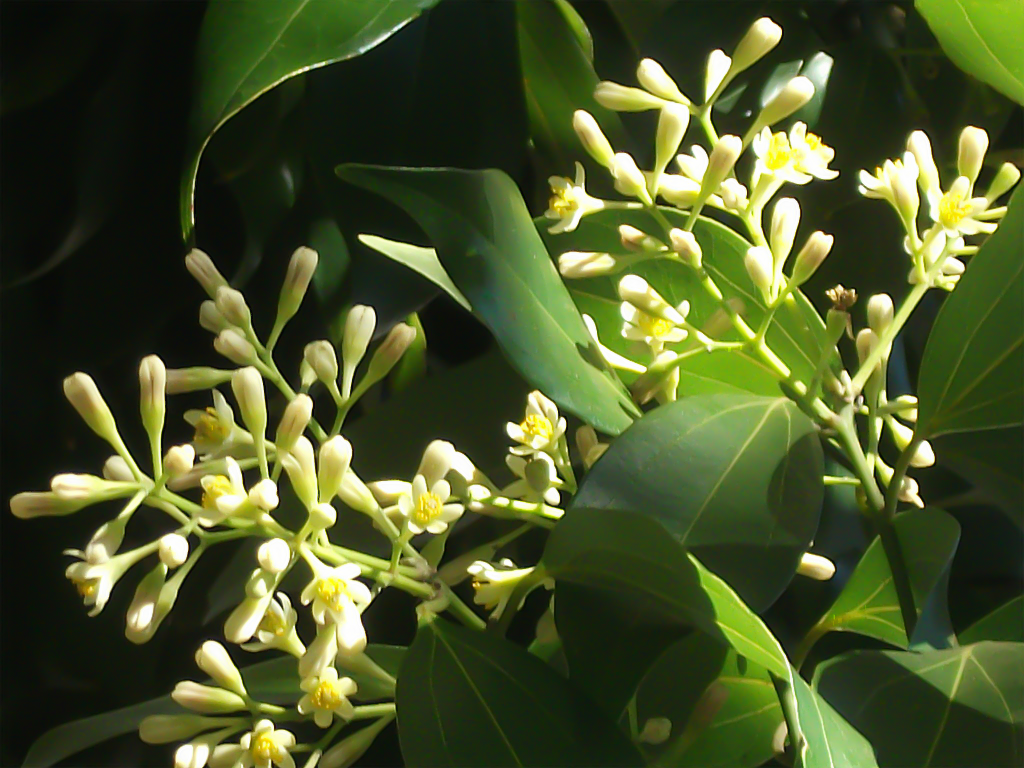
Cinnamon begins to bloom 30–36 months after seedlings are planted in the field when cultivated under ideal conditions. Pale white t yellow color Ceylon cinnamon flowers in Sri Lanka mostly from late December to the end of February, with sporadic flowering occurring at other periods. The fruits take around 4–5 months to completely ripen, therefore seeds are available from May to July. The fruits in a bunch do not ripen at the same time, picking has to be done daily for a few weeks for the harvest of ripe drupes, which is time-consuming and tedious; yet it is important so as to obtain seeds of high viability.      

Cinnamomum zeylanicum flowers 
d6i2ufn-ebe5893e-9799-4fcb-ad36-8d12d37fec2d.png

There is a special way to prepare the seeds to be planted to obtain new plants.       

Only ripen fruits are harvested and as they do not ripen at the same time, picking has to be done daily for a few weeks for the harvest of ripe drupes, which is time-consuming and tedious; yet it is important so as to obtain seeds of high viability.

To extract seeds, they are stored in a heap for 1–2 days in the shade to soften the pericarp. After that, the pulp is removed and the seeds are retrieved by thoroughly washing them under running water. To obtain a high germination rate, it's best to sow seeds just after they've been washed.        

Seeds cannot be kept for lengthy periods of time without losing viability due to their susceptibility to desiccation. Within 4 weeks, cinnamon seeds lose 40–60 % of their vitality, and by 6–8 weeks, they are completely dead.       

Then it is the plant nursery stage!   

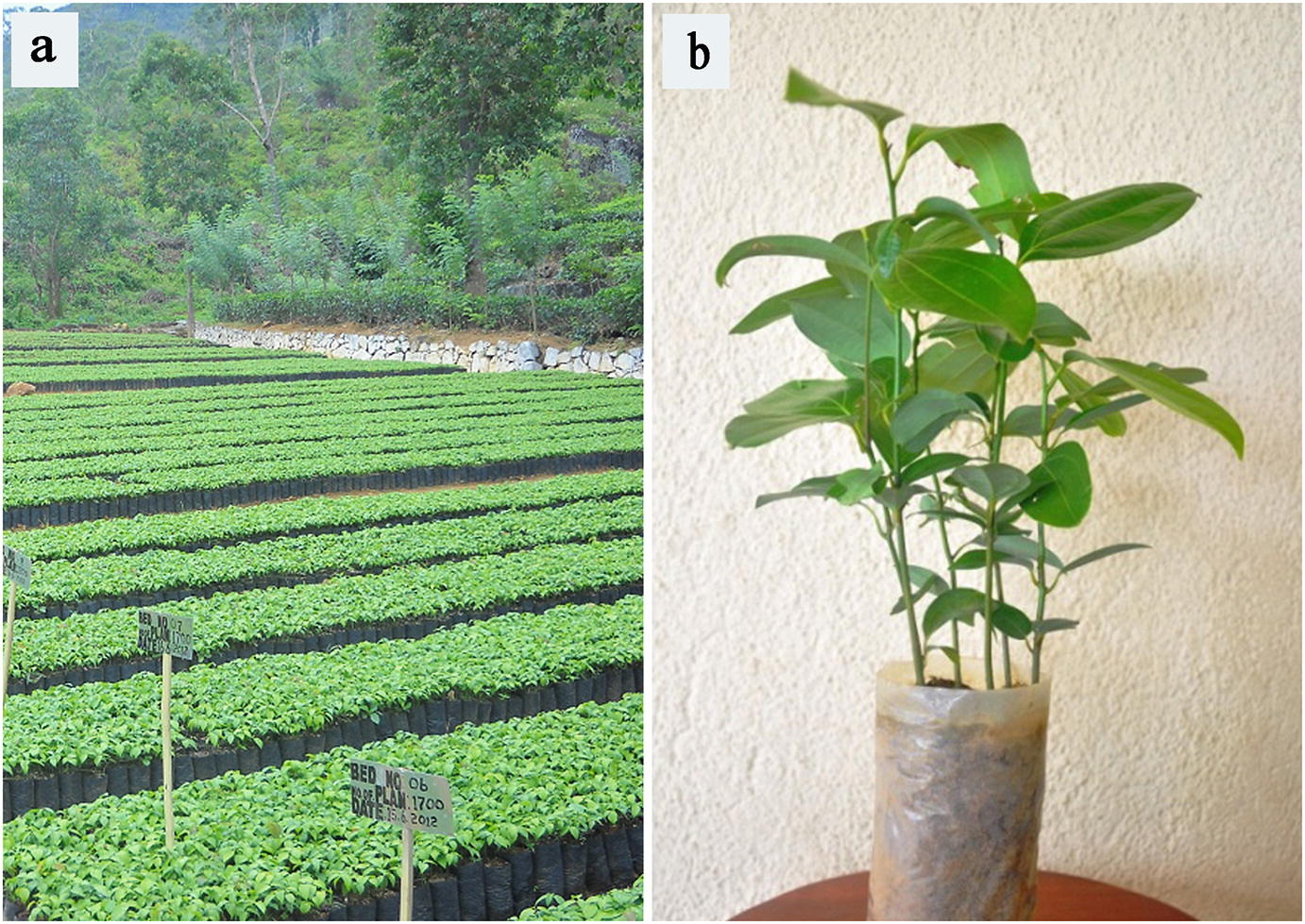
Either direct seeding in polythene bags or planting on elevated seedbeds followed by transferring seedlings to polythene bags when seedlings reach a height of 10 cm. Given possible damage to seedlings when transferring from seedbed to polybags, resulting in uneven growth of seedlings, and labour-intensive nature of the operation, direct seeding in polythene bags is preferable.       

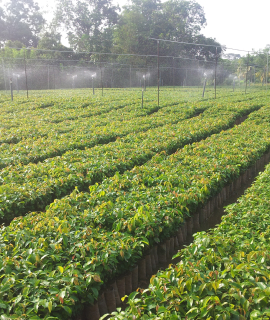
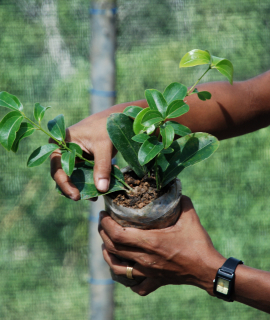
Planting material raised from seeds of cinnamon: (a) seedling nursery and (b) seedling pot ready for field establishment     
Ecology, Agronomy and Management of Cinnamon ( Cinnamomum zeylanicum Blume) | SpringerLink

8–10 seeds are directly planted in polythene bags (20 cm × 12.5 cm) filled with the potting mixture of equal parts top soil, river sand, coir dust, and dried cow dung. Usually, seeds germinate within 2–3 weeks. To produce planting material for 1 ha, 30–35 kg of seeds are required.       

Nursery management is critical.       

Temporary shade must be given during the first two months of the nursery period to prevent seedlings from sunburn. Burd netting is also practiced. Watering should be done on a regular basis. It is critical to control pests, diseases, and weeds in order to produce high-quality planting material. Under good management, seedlings are ready for field establishment within 6 months. 
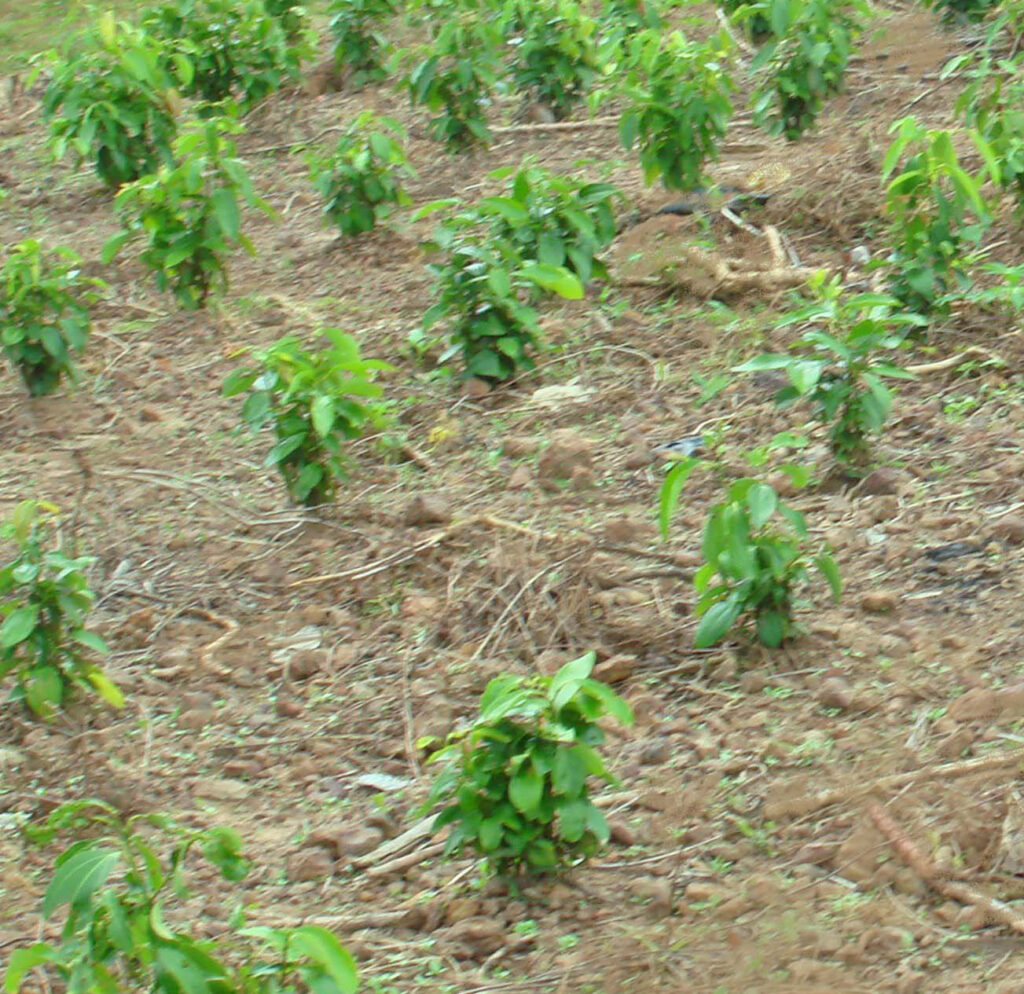
Setting up the Field/Land Preparation

Cinnamon thrives in direct sunlight, and its yield is significantly influenced by light exposure. Therefore, it is essential to clear any shade in the cultivation area to ensure that the plants receive optimal sunlight.


Recommended Spacing and Planting for Cinnamon Cultivation:

  • In flat land, cinnamon should be planted with 4 feet between rows and 3 feet between plants (120 cm × 90 cm). This spacing allows for 9000 pits (3600/Ac) to be cut per hectare.
  • If using seedlings, plant a pot containing 5-8 healthy plants in each hole. For vegetatively propagated plants, plant 3 plants per hole.
  • On slopes exceeding 40%, plant along contour lines with a spacing of 4 ft x 2 ft (120 cm x 60 cm) to prevent soil erosion and ensure sufficient sunlight for the bushes. This results in 14,000 pits per hectare (5,600/ac), with 3-5 healthy seedlings per pit used for potting.
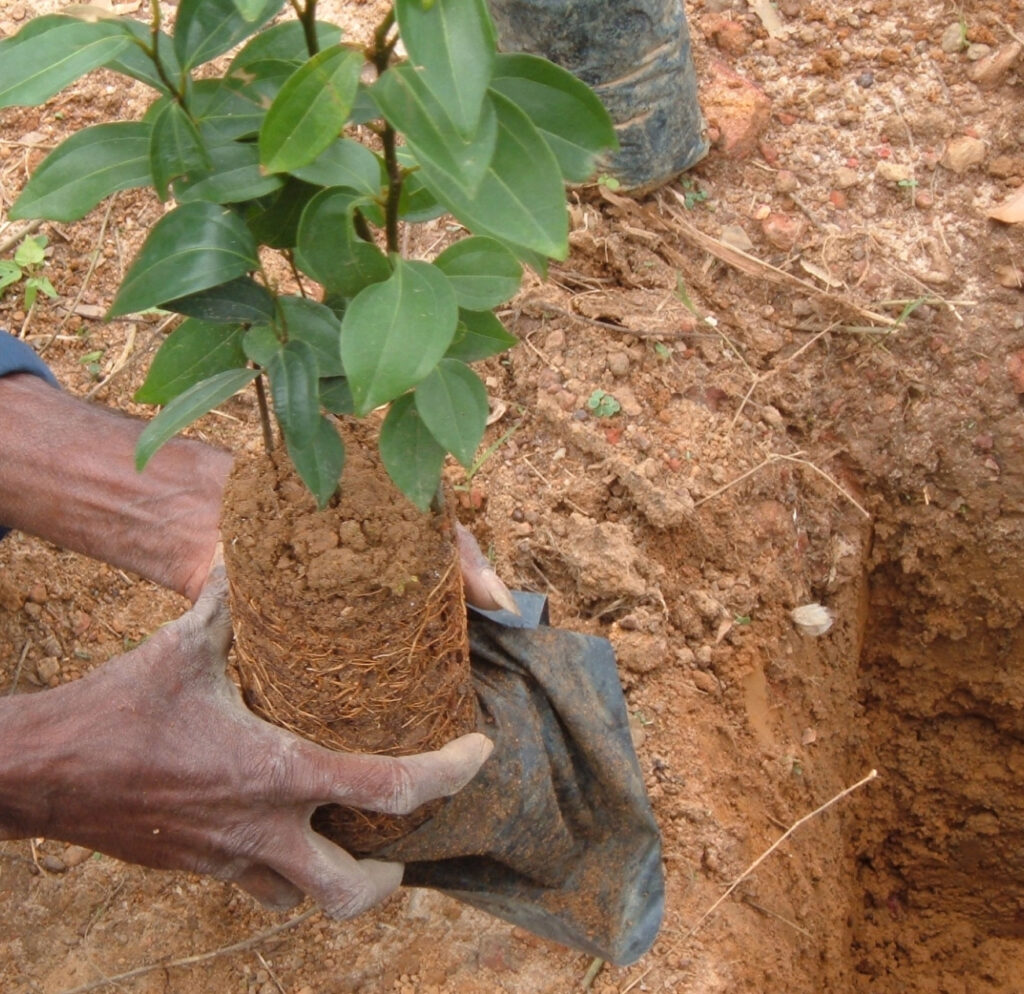
  • Pits should be 1 × 1 × 1 ft (30 × 30 × 30 cm) in dimension for planting.
  • Planting should coincide with the onset of the Yala and Maha seasons, coinciding with the beginning of rains. During this period, use one standard seedling pot per pit.
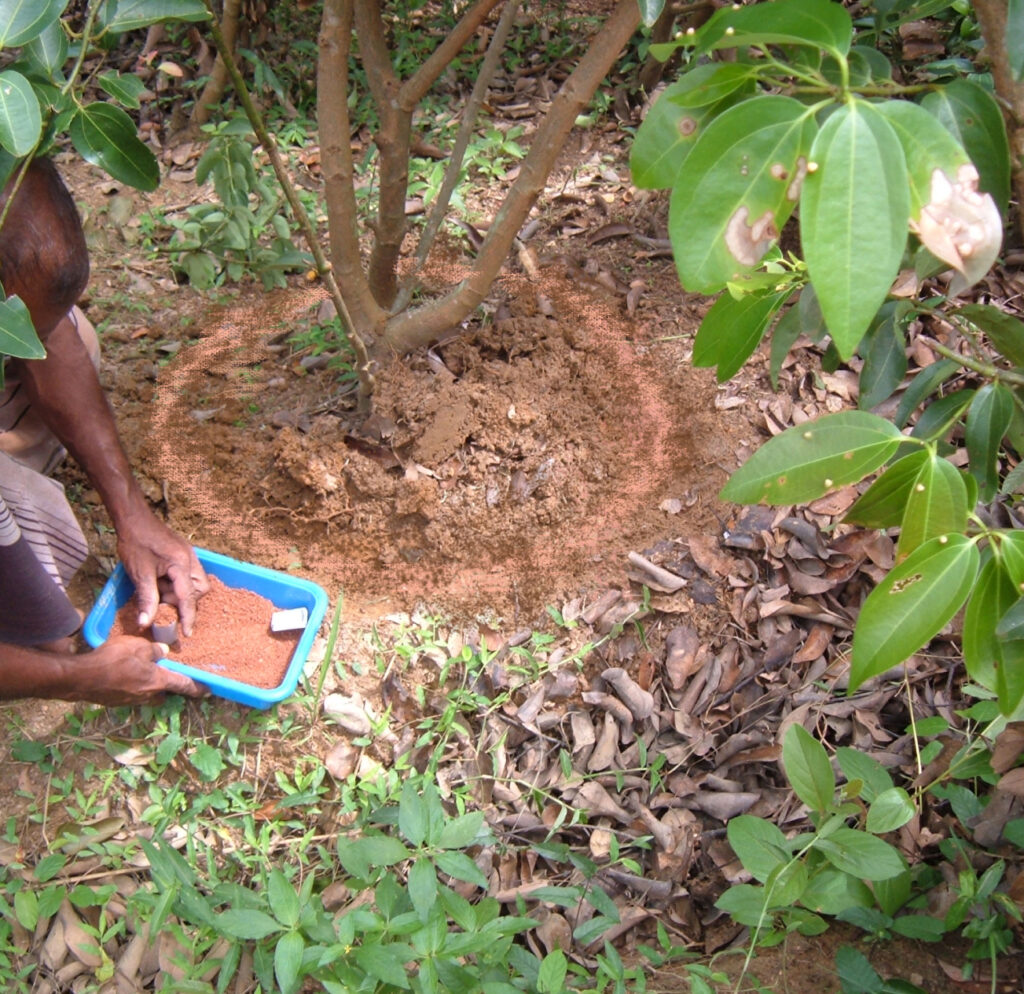
  • Apply 25g of Eppawala Rock Phosphate (ERP) as a basal dressing during planting to promote strong root development.
  • When planting in soil previously used for rubber cultivation or related to rubber cultivation, apply 10g of sulfur to the planting pits one week before planting to reduce the risk of white root disease.
  • After planting, provide support for the growing bush by tying it to keep the stem steady as branches spread and the plant matures into a bush.

Thinning Out:

  • Three months after planting in the field, remove dead and infected plants, keeping only the healthy and vigorous ones at the recommended rate.
  • Recommended number of plants per hole:
    • For spacing of 4 × 3 feet: Plant 5 healthy plants per hole.
    • For spacing of 4 × 2 feet: Plant 3 healthy plants per hole.
    • For vegetatively propagated plants with spacing of 4 x 3 feet: Plant 3 healthy plants per hole.

Irrigation:

  • If cultivation is conducted under dry conditions, various irrigation methods can be utilized including basin irrigation, flood irrigation, overhead sprinklers, or drip irrigation.
Pruning the Plants:

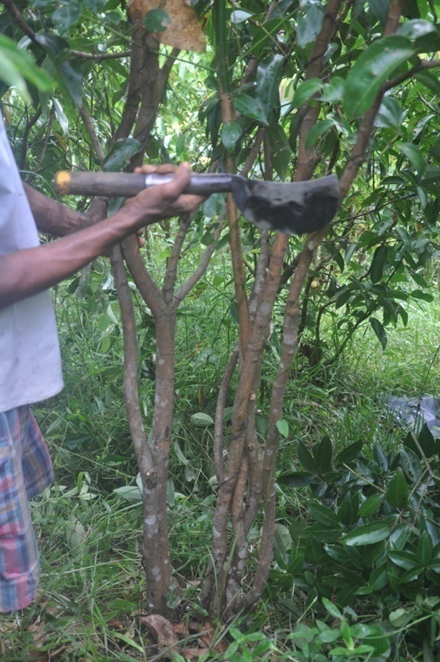
This process involves removing unwanted cross branches, leaves, disease, and pest-damaged branches, as well as weak branches. It is recommended to cut them upwards using a well-sharpened and clean knife (‘Keththa‘) without damaging the stem. This method helps create straight stems and allows for bark harvesting with minimal damage. Moreover, it reduces competition for nutrients for the main stem growth and allows sunlight to reach the base of the bush, minimizing disease and pest damage. To effectively manage the crop, pruning and thinning should be carried out cyclically at regular intervals.

  • The first pruning should be done when the plants are about one and a half years old. Remove cross branches and leaves up to half the height of each stem.
  • The second pruning can be done when the plants are about two years old, again removing cross branches and leaves up to half the height of each stem.
  • For mature plantations in the harvesting stage:
    • Remove cross branches and leaves up to one meter above ground level.
    • Additionally, pruning should be carried out three months before harvest, at the time of harvest, and three months after harvest.
    • Three months after harvest, remove excess new shoots and weak shoots (‘kola pela’) that cannot grow into a harvestable stem, leaving three good shoots from one cut.
    • Also, remove weak, diseased, or pest-damaged branches at the time of harvesting.


Training the Plants:

When training plants, it’s important to tie the stems straight after each harvest to prevent bending and encourage straight growth. This also helps avoid stimulating lateral bud growth.

  • If cinnamon bushes grow tall and their stems cannot be kept in a straight position by tying alone, it is necessary to plant a support and tie the stems to it.
  • When tying the bushes, use bands made of easily degradable material, such as cloth bands, to avoid damaging the bark. Ensure the bands are loosely tied so that the stems are not pressed too tightly.
  • Remove the tied bands after 2 months to prevent interference with equipment such as lawn mowers (grass cutters). It’s crucial to completely remove the bands from the field to avoid environmental damage and equipment inconvenience.


Vacant Filling

Planting new cinnamon plants to replace unestablished cinnamon plants in a newly planted cinnamon plantation or to replace dead bushes in an older cinnamon plantation is called vacant filling. This practice helps in setting the appropriate plant population, thereby increasing yield and minimizing weed growth.


Vacant Filling in a Newly Planted Cinnamon Plantation:

During the first two years of a newly established cinnamon plantation, attention should be given to filling any gaps with replanted trees. Vacant filling should be initiated three months after the initial planting.

  • The crop should be inspected at least once every three months during the first two years. If gaps are identified, new plants should be added.
  • Use 8 × 5-inch, 250-gauge polythene pots with recommended characteristics for replanting. Plants should be over 6 months old.
  • Apply 25g of Eppawala Rock Phosphate to each 1 × 1 × 1 ft planting pit.
  • If there are fewer than five seedlings or fewer than three vegetatively propagated plants in one area, additional plants should be added to those spots.


Vacant Filling in a Mature Cinnamon Plantation:

Vacant filling of a mature crop should be done with the onset of the monsoon after harvesting.

  • Choose cinnamon plants that are 1½ – 2 feet tall, 18 months old, and planted in 12 × 10 inch or larger pots made of 300-gauge polythene with recommended characteristics.
  • When planting, add 25g of Eppawala Rock Phosphate to a pit of dimensions 1½ × 1½ × 1½ feet, then plant the cinnamon plants.
  • Trim unwanted branches of overgrown cinnamon trees near new plants to ensure better sunlight for the newly planted ones.

By cuttings       

As described above, seasonality of seed production and rapid loss of seed viability combined with cross-pollination in cinnamon and limited seed availability poses a challenge to producing planting material from seeds. Therefore, growers produce planting material through vegetative means, such as cuttings, air-layering, grafting and micropropagation, producing ‘true-to-type’ plant populations.       

Single nodal semi-hardwood cuttings is prominent in the large-scale propagation of cinnamon. Only upright shoots are picked to get this planting material since they give the trees more upright architecture. Growers manage mother plants in separate plots by proper training and pruning in order to stimulate the formation of more erect branches.

Wilting of obtained shoots has an impact on roots and plant vigor. To avoid desiccation, branches detached from mother plants and single nodal cuttings are placed in water and kept in the shade. For enhanced roots and a greater success rate, single nodal cuttings are taken from nodes with active buds and roughly one-third of the leaf blade removed.    

Stages in the vegetative propagation of cinnamon: (a) single nodal cuttings, (b) planting of cuttings in nursery pots, (c) vegetative propagation nursery and (d) vegetatively propagated nursery pot ready for acclimatization
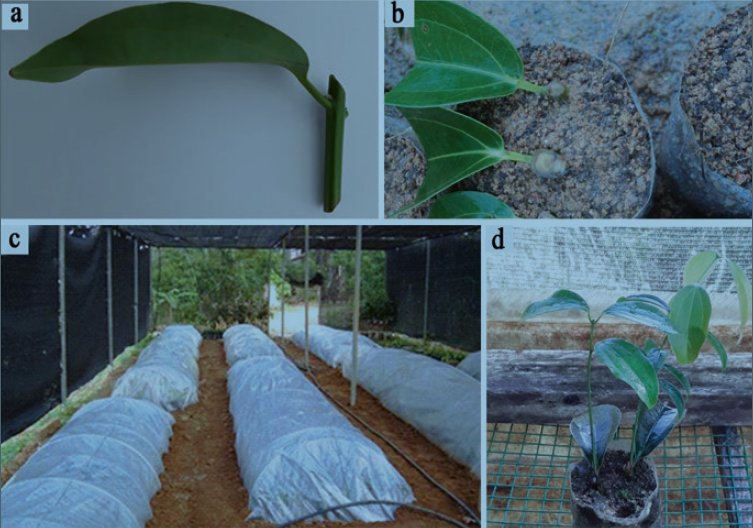
image.png

A leaf-cutting may be about 3 cm long with about 2.5 cm below the bud and about 0.5 cm above the bud, with both lower and upper cuts made at a slant.  Prepared single node cuttings are planted in polythene bags (20 cm × 12.5 cm) filled with potting mixture of equal parts top soil, river sand, coir dust, and dried cow dung. Soil should be well moistened, firmed and compacted prior to planting. 2–3 cuttings are planted per pot.        

Then the pots are covered with sealed thick transparent polythene (500 gauge) to make a temporary propagator after being properly watered and sprayed with a copper-based fungicide. To avoid direct sunlight, propagators are placed in a shade net house with a 60–70 % shade level.   

Propagators are first opened 4 weeks after planting, and thereafter at fortnightly intervals for after-care operations, such as watering, weeding and general management practices. By 10 weeks, plants are ready for hardening and can be planted in the field when 6–8 months old.       

Land Preparation and Field Establishment     
The Story of Cinnamon

Cinnamon is mainly cultivated as a monocrop as it is being light demanding, its growth and yield is affected by shading. 

Cinnamon is planted in straight lines on flat lands or on contours on sloping land in planting holes of 30 cm × 30 cm × 30 cm. Top soil is used to fill planting holes. It is recommended to incorporate 25 g of rock phosphate per planting hole to ensure development of a vigorous root system for early crop establishment.   

Spacing recommended for cinnamon by the Department of Export Agriculture in Sri Lanka is 120 cm × 90 cm for flat lands and 120 cm × 60 cm for sloping lands and 6 plants per hole. It is good to establish rows as far as practicable in the east–west direction to intercept more light, reduce mutual shading and facilitate intercropping with suitable short-term crops during the early stages of establishment. When established at a spacing of 120 cm × 90 cm with six plants per planting hole, a hectare carries around 9000–9250 plants.  

Gap Filling       

Plant death can occur for a variety of causes, and the consequent low plant density is a major contribution to low cinnamon production. In order to achieve optimal plant density, efficient land usage, and successful weed management, timely infilling becomes critical.        

Vacancies should be replaced on a regular basis during the first 2 years following establishment, as this is difficult to achieve in mature stands. 3 months after planting, the initial gap filling may be done with regular seedlings in polybags. Later stages should employ 18-month-old seedlings cultivated in huge polybags (30 cm x 25 cm) with a height of around 45 cm. As a result, it's critical to raise specific planting material at the nursery for infilling.       

Irrigation       

Cinnamon is grown in Sri Lanka's wet and intermediate agro-climatic zones, where annual rainfall exceeds 1750 mm. Cinnamon may, however, be grown in the dry zone if irrigation facilities are provided.        

Microclimatic conditions in a cinnamon cultivation can affect not only the yield and quality, but also the peelability of bark. Therefore, maintenance of favorable microclimate through windbreaks, mulch and green vegetal cover by eliminating only competitive weeds is important. If prolonged dry weather conditions exist during harvesting time, supplementary irrigation is important to facilitate peeling. Drip irrigation during dry spells is practiced.       

Weed Management       

To prevent suppression of crop growth, a circle with a radius of about 45 cm around the plant should be kept clear of competing weeds. The use of chemical weedicides is avoided as far as possible by cinnamon growers.        

This is of paramount importance as importing countries have laid down stringent requirements in terms of food quality and safety, that is, maximum residue level (MRL) and some even ‘zero tolerance.        

However, harvesting stems at maturity will open up space for weed growth; therefore, it is important to manage weeds after each harvest to facilitate regeneration growth.        

Training and Pruning       
SPICES

Cinnamon grows to a height of around 10 meters in its original setting. To reap economic benefits, it must be trained and pruned on a regular basis to keep it healthy with several stems at a convenient height of around 2.5–3.0 m.        

When the plant is around 1.5–2 years old, the 'parasitic' side branches and leaves in the lower part of the bush should be removed. This will improve plant vigour, straight growth, and bark toughness, making peeling easier after harvest. When the stem's greenish bark grows, the amount of cinnamaldehyde, the most valuable chemical in bark oil, increases while the amount of eugenol drops.       

Main matured stems (2–3) should be coppiced at a height of about 5–6 cm from the collar with the cut pointing inward at an angle of roughly 45° when plants reach the age of around 3 years. This will cause fresh shoots to develop from the outside, eliminating crowding.        

It's vital to leave 2–3 strong stems for the next harvesting cycle, since this ensures the bush's aggressive development and speedy regeneration. Unhealthy and weak shoots are eliminated 3 months after harvest, leaving a maximum of 3 shoots per stem cut. To guarantee proper dispersion of assimilates and easy peeling, eliminate any sick or weak branches 3 months before harvest.    
 

Harvesting

The first harvest of a cinnamon plantation can typically be undertaken two to three years after planting. At this stage, the outer bark of the stems suitable for harvesting should be completely brown, except for the ends.

In Sri Lanka, the timing of cinnamon harvesting varies across different agroecological zones. Cinnamon trees begin growing new leaves with the onset of the rainy season. The optimal time for harvesting is when these leaves turn green, as the bark peels more easily at this stage. Harvesting should be avoided when cinnamon trees have new leaves, flowers, or fruits, as removing the bark becomes more challenging.

Under good management conditions, cinnamon can be harvested two to three times a year. Increasing the interval between harvests may lead to maturation of the cinnamon stems, resulting in a higher wood percentage but not necessarily a significant increase in bark weight. This can reduce the ability to produce high-quality cinnamon grades such as Alba and C grade. Hence, maintaining the plantation for continuous year-round harvesting is important.


How to Harvest

The propoer method to harvest a cinnamon tree involves making a clean, sharp cut at a 45-degree angle towards the bush, approximately one and a half to two inches (1 ½ – 2 inches) above the ground. This technique promotes the outward growth of new shoots and helps maintain the health of the bush. During harvesting, it is essential to remove any green, immature parts, side branches, and leaves from the cut cinnamon stem in the field before taking them to the peeling shed or processing center.

Knotting and Scraping

The brown outer bark (‘Sumbula’/ ‘Kurutta’) should be scraped from the stem while keeping it above ground level to minimize contaminants, using a scraper.

How to peel cinnamon bark

The scraped stems are rubbed with a brass rod until the juice oozes out and loosens the bark from the wood. Then, determine the width of the outer sheaths to be removed based on the desired grade. Use a small knife called ‘Thalana Kokeththa’ to remove the outer sheaths. If it’s not possible to remove the bark as outer sheaths, peel it off in thin strips called ‘Podi’.

How to Dry the Bark

The outer sheath should be shade-dried until it reaches the desired extent of curling. Ensure that the bark strips or ‘Podi’ are kept clean to prevent excessive drying.

Making Quills

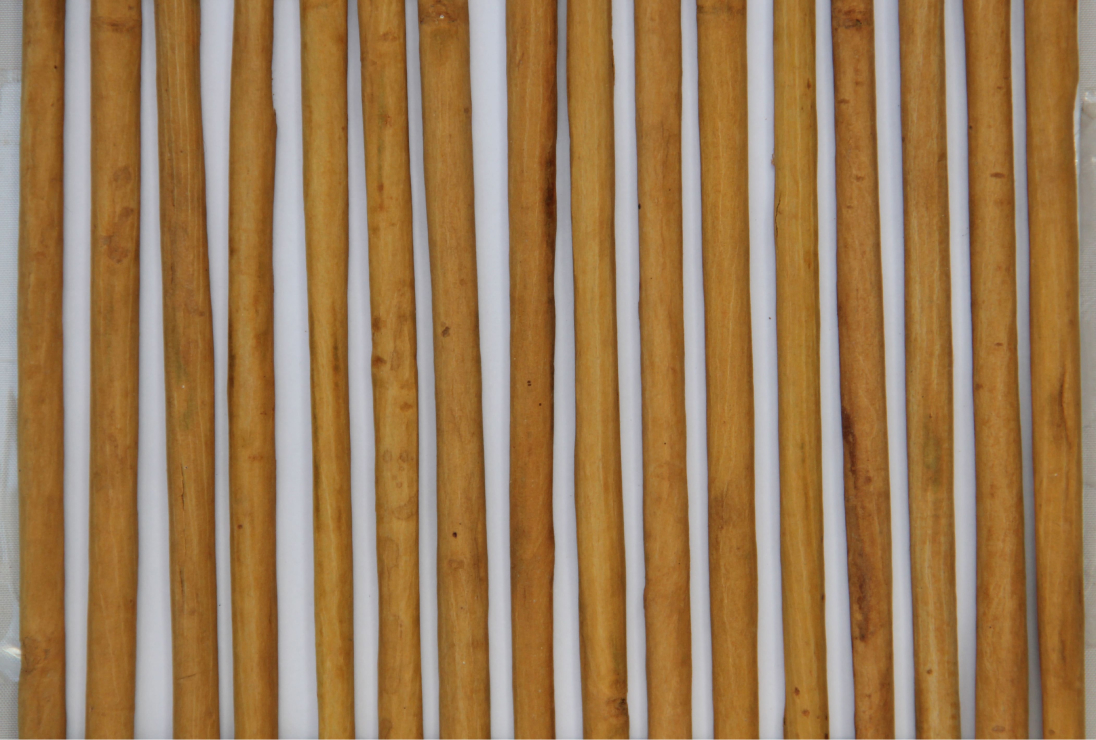
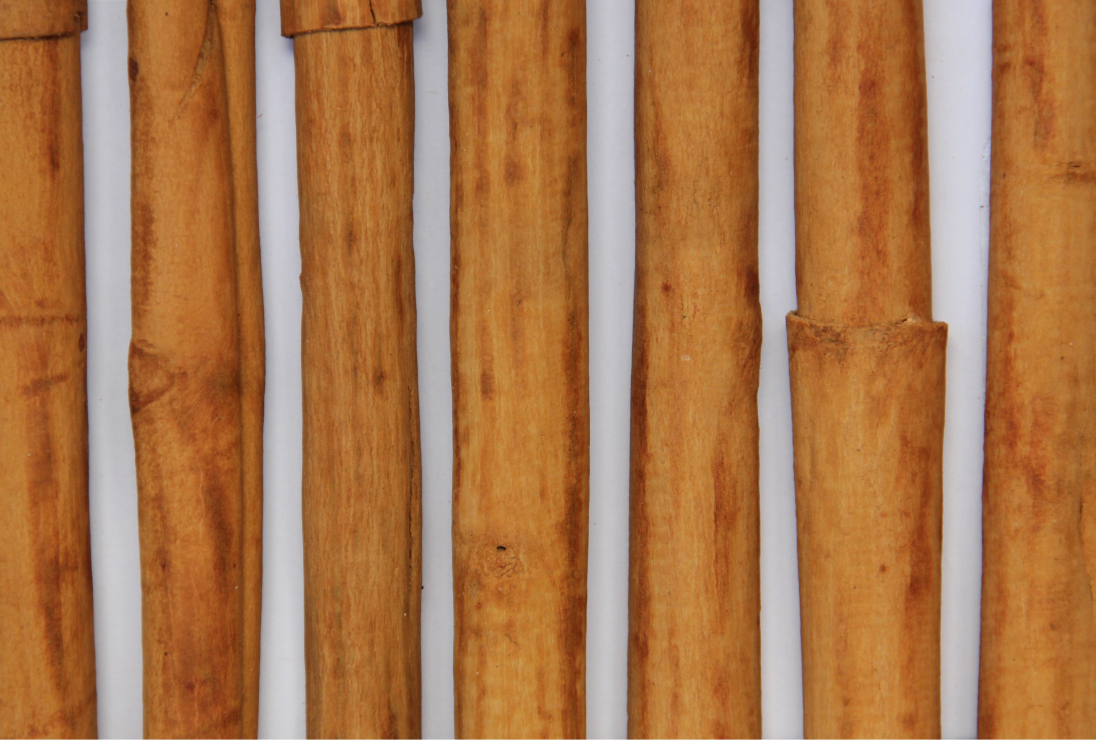
After drying the peeled bark and rolling them as required, stack the bark sheets on top of each other and fill them with small pieces to form 42- or 21-inch-long quills. Use a ‘Pethi Kotuva’ to measure the length of the cinnamon quills. Once completed, immediately shade-dry the quills. Allow the prepared quills to dry on strings, racks, or nets for 4-7 days until their moisture content reaches 14% or below.

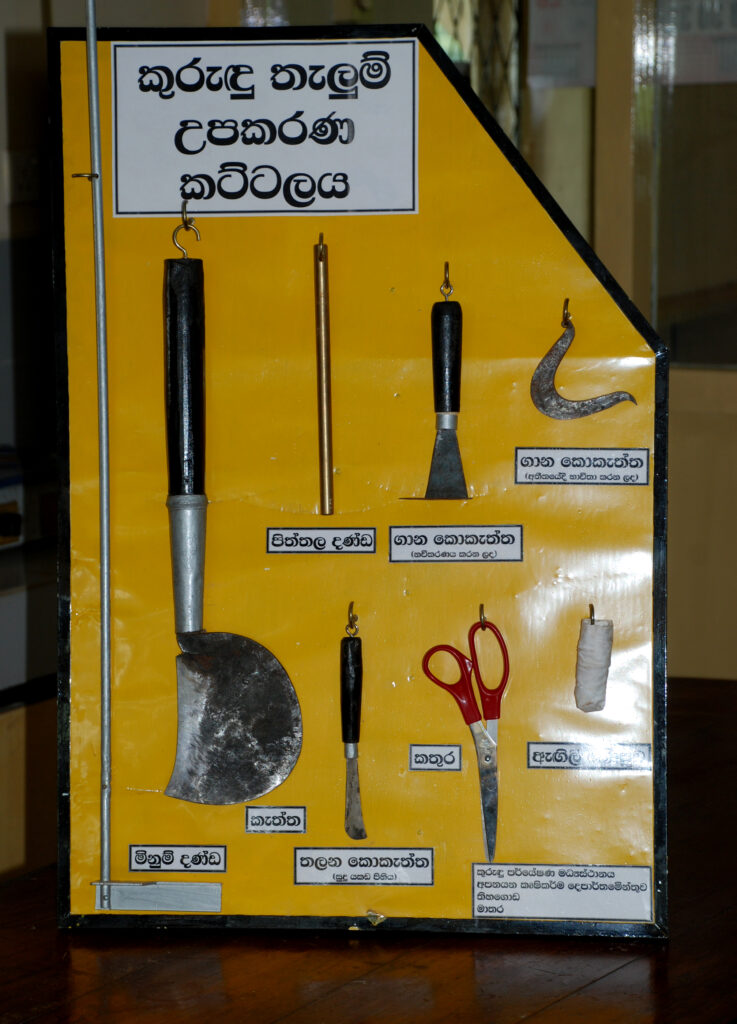
Equipment Used to Process Cinnamon

The tools and equipment used in the traditional cinnamon-making process include:

  • Keththa’ – Used for cutting cinnamon trees.
  • Surana Koketta’ – For scraping the outer bark (‘Kurutta’).
  • Brass rod – Used for rubbing to detach the bark from the wood.
  • Thalana Koketta’ – For making vertical and horizontal cuts and lifting the bark while detaching it from the wood.
  • Scissor – Used to cut/ and prepare the cinnamon bark after joining it to the desired length.
  • Pethi kotuwa’ – Used to measure 42 or 21 inches in length.

Cinnamon Grades:

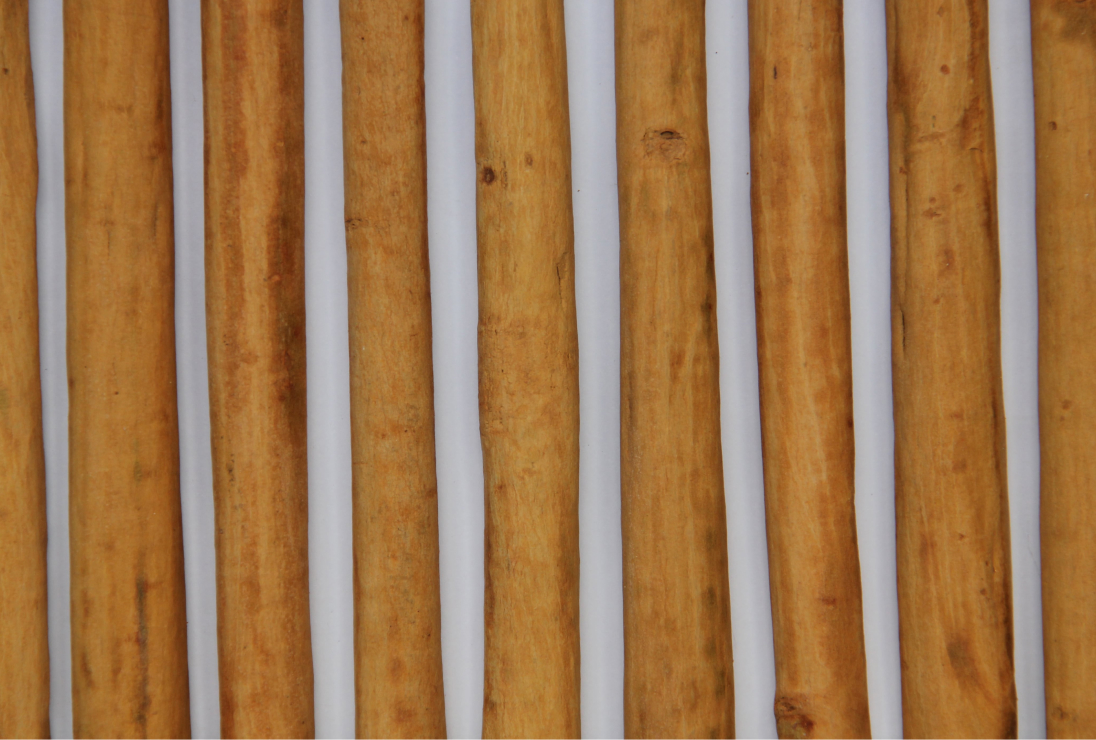
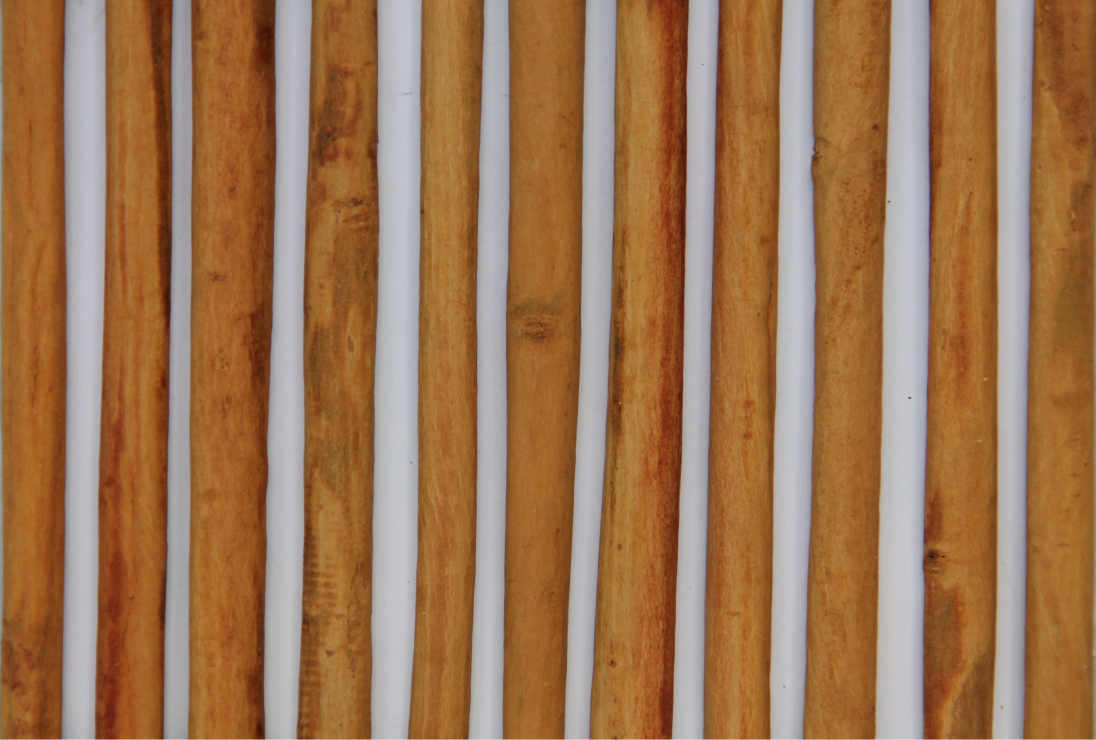
  • Cinnamon quills should be graded after drying to the required level.
  • There are three important criteria in grading:
    • Diameter of cinnamon quill
    • Number of sticks of that diameter required to make one kilogram
    • Percentage of foxing on the surface of quills

The criteria outlined above allow for the identification of approximately 13 grades of cinnamon. In general practice, cinnamon can be categorized into two main types:

  • Heen Kurundu (Smooth Cinnamon): Includes cinnamon in the Alba and ‘C’ groups.
  • Gorosu Kurundu (Coarse Cinnamon): Includes cinnamon in the ‘M’ and ‘H’ groups.

Growers should aim to produce a higher percentage of ‘Heen Kurundu’ to increase their income.

Standards for Cinnamon:

The demand for healthy, high-quality ingredients and food products is increasing every day. To meet this demand, it is essential to adhere to Good Agricultural Practices (GAP) in cinnamon cultivation and Good Manufacturing Practices (GMP) in cinnamon processing. By doing so, the health and safety quality of the product can be improved.

In 2022, Sri Lanka obtained the Ceylon Cinnamon Geographical Indication (CCGI), an international quality certificate for cinnamon. This achievement provides an opportunity to fetch a higher price for Ceylon Cinnamon in the global market. The CCGI also confirms the Sri Lankan geographical identity of cinnamon, marking the first Geographical Indication for Sri Lanka, which will help overcome future challenges in the Sri Lankan cinnamon market.

The Sri Lanka Standards Institute has introduced a standard for Sri Lankan cinnamon as SLS 81:2021. Similarly, the International Organization for Standardization (ISO) has established requirements and introduced a standard for Sri Lankan cinnamon under ISO 6539:2014. Additionally, the European Spice Association, United States Food and Drug Administration, and other organizations have also introduced applicable standards in their respective countries.

Cinnamon Yield:

The yield of cinnamon can vary widely based on factors such as the age of the plantation, soil quality, climate, genetics, and crop management practices. Currently, the average yield of cinnamon quills in Sri Lanka is about 300 kg per acre per year. Under good management conditions, this yield can be increased to up to 450 kg per acre. With proper crop maintenance and timely care, utilizing new varieties such as ‘Sri Wijaya’ and ‘Sri Gemunu’ introduced by the Cinnamon Research Center, this yield can be further increased to 600 kg per acre by adopting good agricultural practices.

In addition to bark harvesting, approximately 4000 kg of cinnamon leaves can be obtained from one acre per year. Additional income can be earned by extracting leaf oil from these leaves.

Cinnamon Products

  • Cinnamon Quills (Whole Quills)

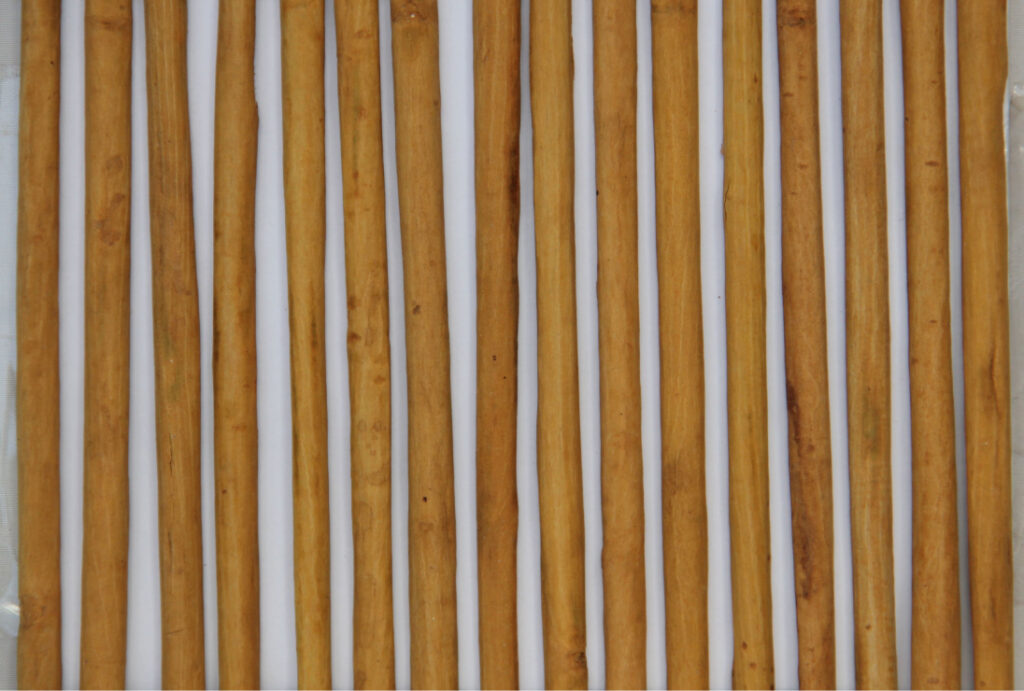
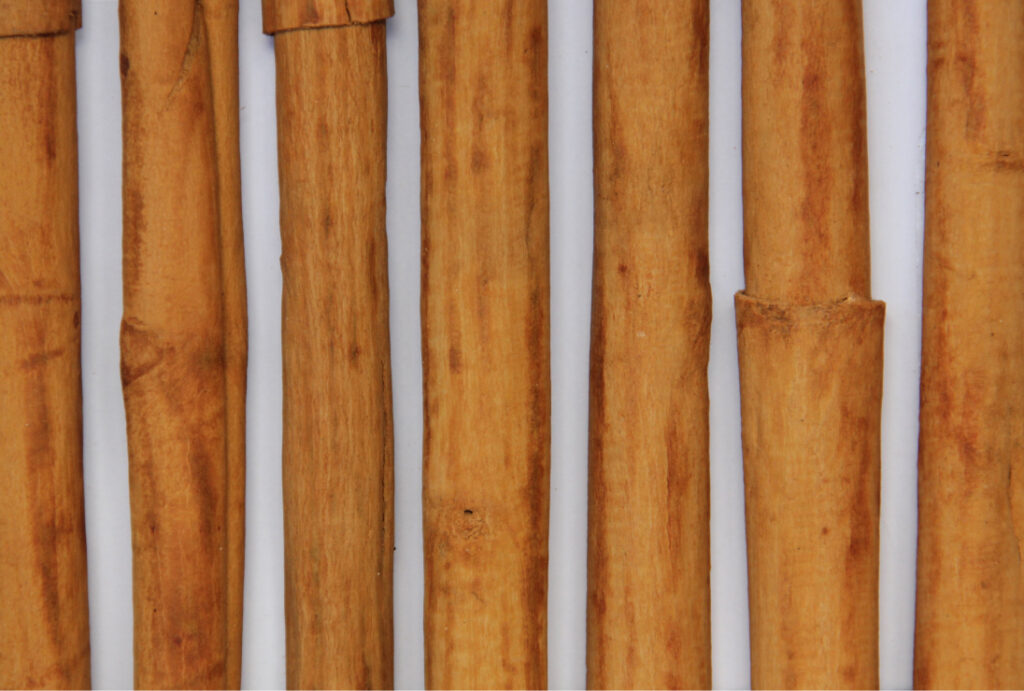
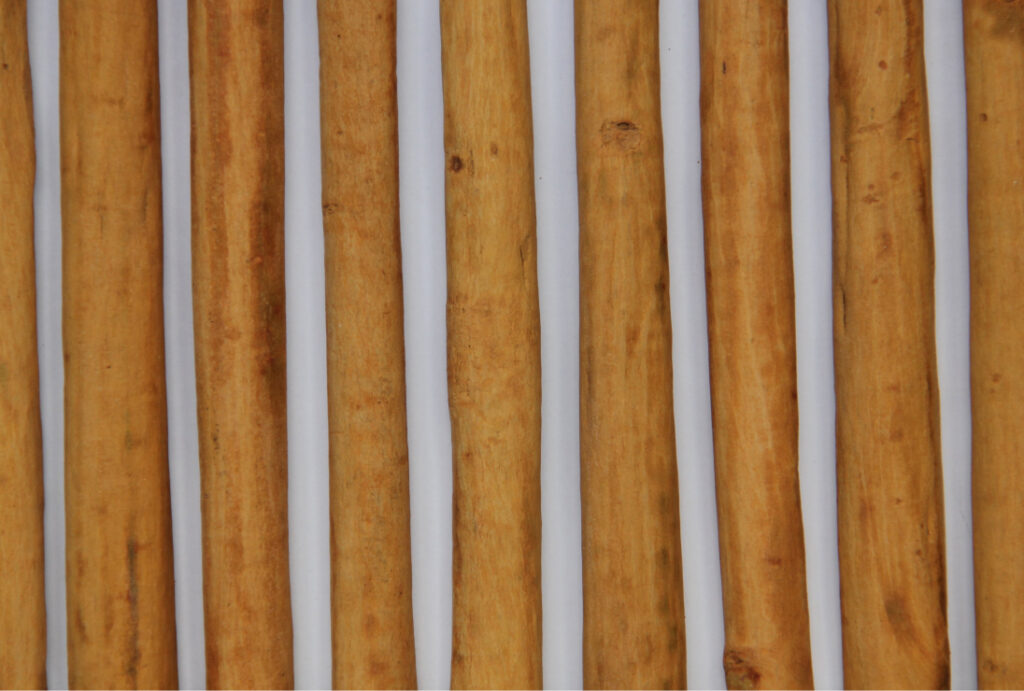
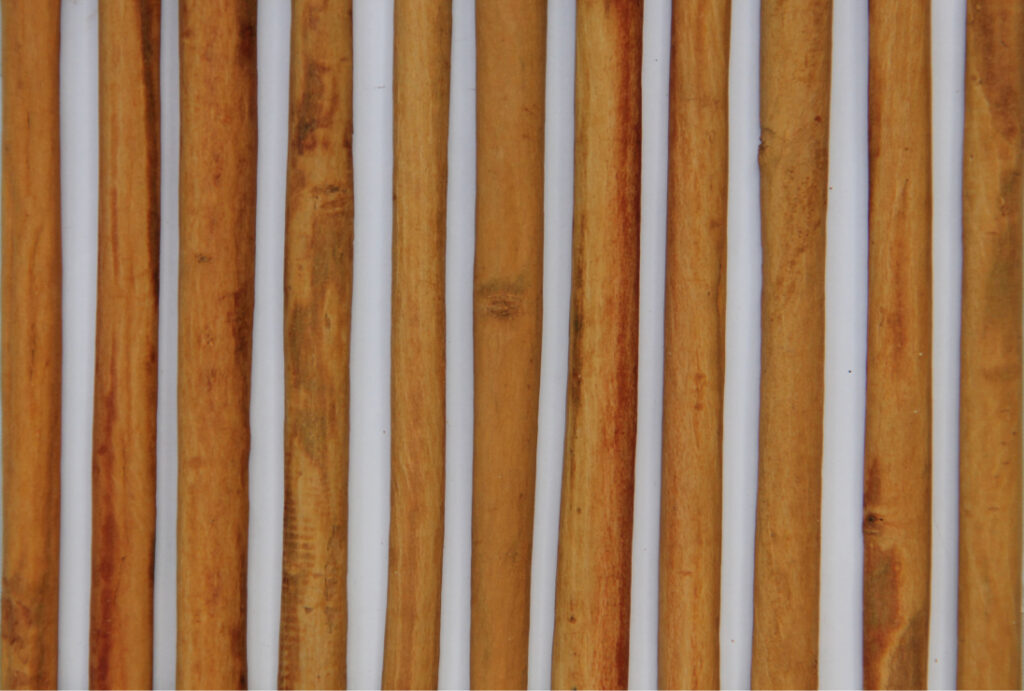
Stems from fully matured cinnamon plantations undergo a process in which the inner bark is removed and then divided into several pieces. These pieces are joined together and filled with smaller pieces of the same type of cinnamon, then left to dry. Each quill measures 105 cm (42 inches) in length. Cinnamon quills are categorized into different grades as outlined in Table 1.1.

Table 1.1: Cinnamon Grades

Grade

Width of Bark to be Removed (mm)

Diameter of the Quill (mm)

Number of 42-inch Quills per Kilogram

Percentage of Foxing (%)

Alba

22

6

45

10

Continental


C5-Extra Special

28

8

33

10

C5- Special

35

10

30

10

C5

42

12

27

15

C4

54

16

22

15

C3

61

18

20

20

Mexican  


M5- Special

54

16

22

60

M5

60

18

20

60

M4

70

21

15

60

Hamburg


H1

76

23

10

25

H2- Special

83

25

09

40

H2

105

32

07

55

H3

123

38

06

65

  • Cut Quills – Cinnamon sticks cut to a specified length and graded as whole cinnamon sticks.
  • Quilling – Whole cinnamon sticks broken into pieces less than 200 mm in length. They may contain up to 5% by weight of feathers and bark pieces. No other foreign substances should exceed 2%.
  • Featherings – Small pieces that break off from cinnamon bark when making cinnamon quills. They may contain up to 10% chips by weight, with other extraneous substances not exceeding 2%.
  • Chips – Mature, hard, greenish-brown bark with an outer layer called ‘Kurutta’ that cannot be peeled off conventionally. It must be separated by scraping or beating with a wooden stick. Chips should not contain more than 2% of other extraneous substances.
  • Ground Cinnamon – Cinnamon powder prepared by drying and grinding the inner bark from well-ripened cinnamon stalks. 100% of particles should be smaller than 500 micrometers, and 90% should be smaller than 300 microns.
  • Crushed Cinnamon – Coarse cinnamon powder prepared by drying and grinding the inner bark from well-ripened cinnamon stalks. 90% of particles should be larger than 500 micrometers.
  • Special Cuts – Inner bark from well-ripened cinnamon stalks, dried and cut into small pieces ranging from 1 mm to 5 mm.


Cinnamon Value-added Products

Cinnamon possesses significant medicinal value and is a key ingredient in many therapeutic products. It is known for its efficacy in managing conditions like diabetes and hypertension by regulating blood sugar and cholesterol levels. Its antioxidant properties also make it beneficial for combating various diseases.

Beyond its medicinal applications, cinnamon serves as a versatile flavoring agent in sweets, beverages, and bakery products. It is also utilized in perfumes due to its aromatic qualities. Moreover, cinnamon’s natural anti-fungal and anti-bacterial properties make it suitable for inclusion in oral care products such as mouthwash and toothpaste.


Cinnamon Essential Oil:

Various essential oils can be extracted from the cinnamon plant, particularly from Sri Lanka’s Cinnamomum verum, which is highly esteemed globally, contributing to its profitability. The primary oil-based products derived from the cinnamon plant include cinnamon leaf oil and cinnamon bark oil. However, commercial extraction of oil from cinnamon fruits and roots is not commonly practiced.


Cinnamon Leaf Oil Extraction:

Cinnamon leaf oil boasts an oil content that can reach up to 4%. The leaves and shoots removed during cinnamon harvesting serve as the primary raw materials, with preference given to ripe and shredded leaves.

  • Yield of Leaves: 10,000 kg per hectare per year
  • Average Oil Yield (Industrial): 1% (from mass of leaves)
  • Annual Oil Yield (Industrial): 100 – 200 kg per hectare per year

Cinnamon leaf oil can be extracted using various methods, including:

  1. Hydro distillation
  2. Steam-hydro distillation
  3. Steam distillation

Despite the development of modern technologies such as supercritical CO2 extraction, microwave extraction, and ultrasonic wave extraction, these methods are not widely utilized in industrial applications. Consequently, steam distillation remains the primary method for extracting cinnamon leaf oil.

Benefits: Cinnamon leaf oil finds application in the production of perfumes, insect repellents, disinfectants, fragrances, and medicines.

Standards for Cinnamon Leaf Oil:

  • SLS 184-2012: National standard for cinnamon leaf oil
  • ISO 6579:2003: International standard for cinnamon leaf oil

These standards define the physical and chemical criteria that cinnamon leaf oil must meet for quality assurance.


Cinnamon Bark Oil Extraction:

Cinnamon bark contains an oil content ranging from 3.0% to 4.0%. Raw materials for oil extraction include pieces of cinnamon quills (Quilling), Featherings, and Chips (‘Katta’). The percentage of Cinnamaldehyde in the oil varies based on the raw materials used, determining the classification of the bark oil.

Character

Requirements

Superior Grade

Special Grade

Average Grade

Ordinary Grade

Cinnamaldehyde (% by weight)

Above 60

55-60

45-54

30-44

Eugenol (% by weight)

6

15

25

40

Standards for Cinnamon Bark Oil:

  • SLS 185-2012: This is the national standard for cinnamon bark oil, specifying the physical and chemical criteria that the oil must meet for quality assurance.


Benefits:

Cinnamon bark oil serves as a popular flavoring agent in the production of confections and beverages. Additionally, it finds use in the manufacturing of various perfumes and medicines.


Oleoresins Production:

Oleoresins are semi-solid extracts containing both resin and volatile oil components, obtained through various extraction methods:

  1. Solvent Extraction: This method involves using solvents to extract both resin and volatile oils from cinnamon materials.
  2. Supercritical Carbon Dioxide (CO2) Extraction: Utilizes supercritical CO2 as a solvent to extract essential oils and other compounds from cinnamon, known for its efficiency and ability to preserve delicate flavors and aromas.
  3. Microwave Extraction: A modern method utilizing microwave technology to extract essential oils and compounds from cinnamon, offering faster extraction times and potentially better preservation of volatile components.


Applications of Cinnamon Oleoresin:

Cinnamon oleoresin finds extensive use across various industries due to its potent flavor and aroma profile:

  • Food Industry: Used as a flavoring agent and food coloring in products like confectioneries, beverages, and sauces.
  • Perfumery: Adds fragrance notes in perfumes and cosmetic products.
  • Pharmaceuticals: Incorporated into pharmaceutical formulations due to its medicinal properties.
  • Cosmetics and Soaps: Used for fragrance and as an active ingredient in cosmetic and soap formulations.

Each extraction method offers distinct advantages in terms of efficiency, product quality, and environmental impact, catering to different industry needs and regulatory standards.


Source : Department of Cinnamon development

Disclaimer : Please refer Privacy Policy & Terms of using this website.